Is Swan Worth Reading? Ballet Manga Review
Quick Answer
Yes, if you can track down a copy. Swan is one of the foundational ballet manga, with dance sequences drawn so well they read as genuinely kinetic on a still page, even though the English release stopped partway through the series.
Quick Verdict
“The dance pages alone are worth the search — Ariyoshi draws movement in a way that still doesn't have many equals decades later.”
Best for: Readers who love performance-focused stories and want to see an art style built specifically around capturing motion and stage presence.
Not for: Readers who need a complete, easy-to-find English release or who find 1970s shoujo pacing and melodrama too old-fashioned.
- Type
- Manga
- Genres
- Romance, Drama
- Status
- Completed
- Author
- Kyoko Ariyoshi
- Publisher
- Shueisha (Margaret)
| Quick facts | |
|---|---|
| Format | Manga (shōjo), 208 chapters, 21 volumes |
| Run | 1976–1981 · completed |
| Community score | AniList 7.6 · MangaUpdates 7.5 |
Overview
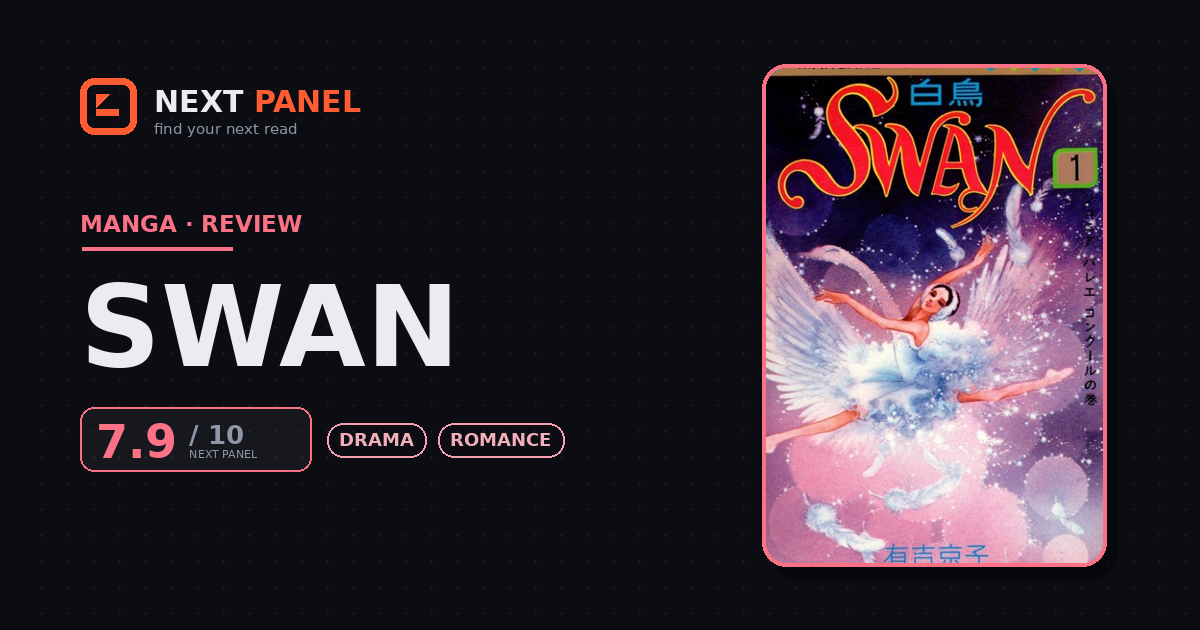
Masumi Hijiri is an ordinary teenager from rural Hokkaido whose life changes after she sees a single professional ballet performance. That moment sends her chasing formal training years behind everyone else in her field, into a world of stricter technique, sharper rivalries, and far higher stakes than she's prepared for. Kyoko Ariyoshi's Swan ran in Shueisha's Margaret from 1976 to 1981, finished at 21 volumes, and is still considered one of the foundational ballet manga — one of the few shoujo classics from that era to get any English release at all.
What it does well
The dance pages are the reason this book has a reputation. Ariyoshi draws ballet with a real understanding of how a body moves through a sequence — full-page spreads stretch a single jump or turn across the panel in a way that reads as genuinely kinetic, not just a pretty pose. That's a hard thing to pull off in a still medium, and Swan is one of the earlier manga to really nail it, which is part of why it's still cited as an influence decades later.
Masumi's relationship with Lilliana Maksimova, a Russian prodigy trained in classical technique, is the emotional core, and it's handled with more nuance than a simple rivalry plot. Their contrast — Masumi's late start and raw instinct against Lilliana's rigorous formal training and the restrictions that come with it — becomes a real way to explore what ballet costs each of them, not just who wins a given competition. The manga also takes the discipline itself seriously: injuries, the grind of training, and the gap between talent and work ethic all get genuine page time instead of being waved away for the sake of the plot.
Where it falls short
The honest issue for most readers today is access. CMX Manga's English release stopped at 15 of the series' 21 volumes before the imprint shut down in 2010, and those volumes are now out of print — finishing the story in English currently means tracking down secondhand copies and, for the actual ending, material that was never officially translated at all. Beyond that access problem, the manga is also very much a product of its decade: internal monologues run long by modern standards, some plot turns rely on coincidence, and the loose, flowing character art can make faces blur together in busier group scenes.
Verdict
Swan earns its reputation as a ballet manga classic — the dance sequences alone are worth seeking out, and the Masumi/Lilliana dynamic gives the story real emotional weight beyond just performance. The catch is that actually reading the whole thing in English takes more effort than most series ask of you these days. If you're willing to put in that work, it's a genuinely rewarding, still-influential read.
Strengths & Weaknesses
Strengths
- The ballet sequences are drawn with real understanding of how bodies move on stage — full-page spreads capture the illusion of motion in a way that's still impressive against modern manga, let alone a series from the late '70s.
- Masumi's rivalry-turned-friendship with the Russian prodigy Lilliana is genuinely well-handled, using their contrast in training and background to explore what ballet actually costs each of them rather than just staging a simple competition.
- It takes the technical and emotional discipline of ballet seriously instead of using the stage as a backdrop for romance alone — training, injury, and the gap between talent and work ethic all get real page time.
- As one of the first widely translated shoujo classics, it holds up as a genuine artifact of the genre's early era rather than feeling like a museum piece you have to make excuses for.
Weaknesses
- The English release by CMX stopped at 15 of 21 volumes before the imprint shut down, so reading the whole series in English currently means hunting down a mix of formats and, for the ending, material that was never officially translated.
- The pacing and melodrama are very much of their era — internal monologues run long, and some plot turns lean on coincidence in a way more modern shoujo has moved away from.
- Character designs can blur together in group scenes, since the loose, flowing '70s shoujo art style prioritizes mood and movement over consistent facial features.
Similar Titles
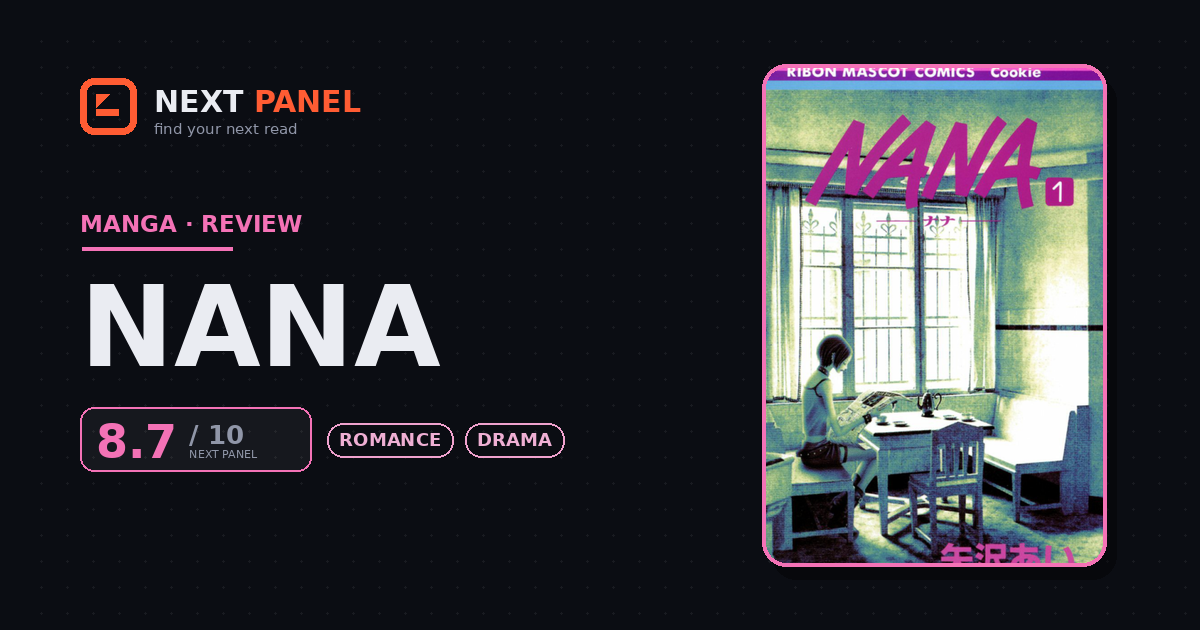
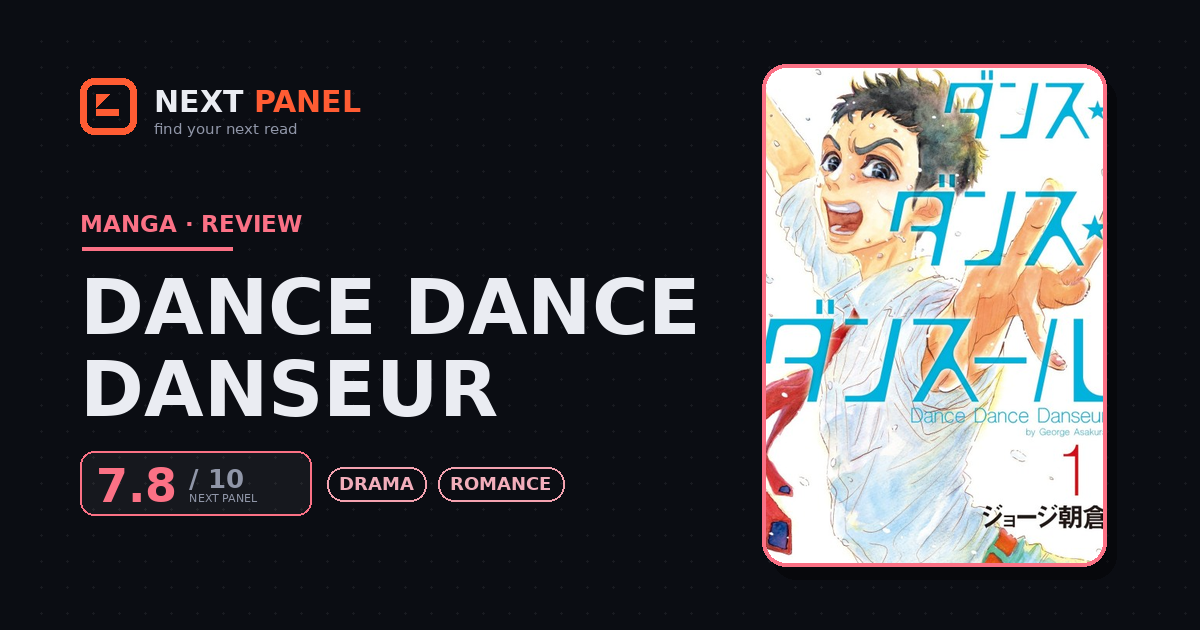
A more modern take on ballet manga, from a male dancer's perspective instead of a female one.
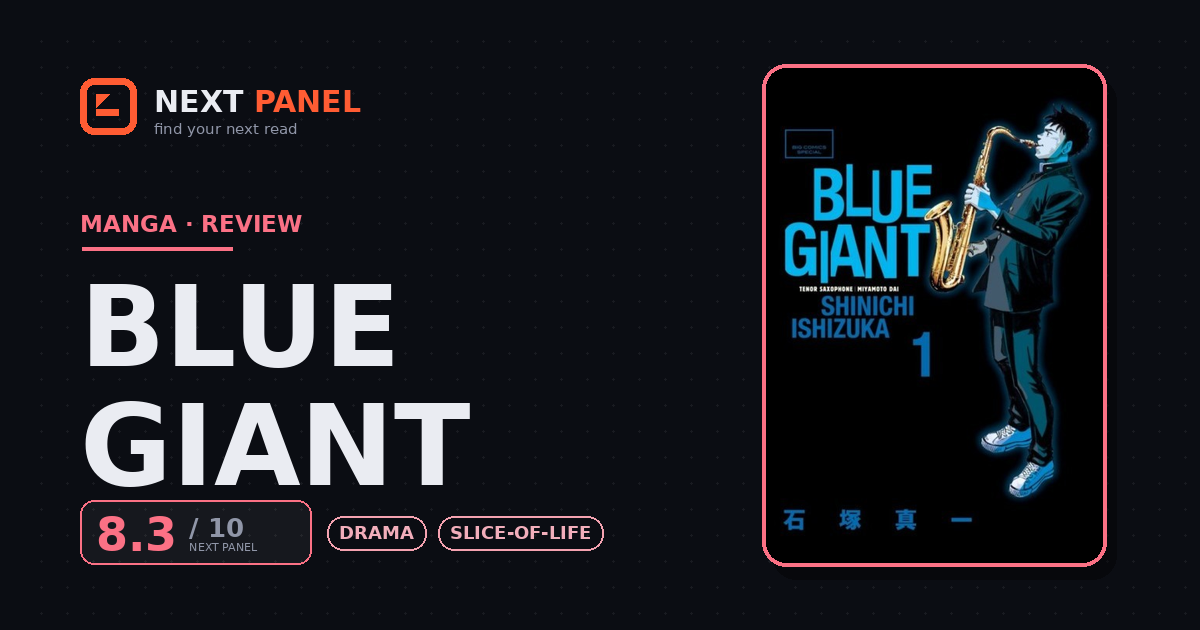
Different art form entirely, but the same commitment to making a performance art feel physically alive on the page.
Different genre, but another character-driven shoujo classic about ambition and the cost of chasing a stage.
Frequently Asked Questions
Is Swan finished?
Yes, it's complete at 21 volumes in Japanese, serialized from 1976 to 1981.
Can I read all of Swan in English?
Not officially in full. CMX Manga released the first 15 volumes before the imprint closed in 2010, and those are now out of print, so finishing the series in English currently means piecing it together from secondhand copies.
Is Swan a romance or a sports/performance story first?
It's built around ballet as a discipline first — training, rivalry, and performance — with romance as a secondary thread rather than the main plot engine.