Manhwa6.9Minor SpoilersOngoing
Is Rookie Talent Agent Knows It All Worth Reading? Review & Where to Read
Trades the usual regression genre's combat power fantasy for a showbiz one, and mostly finds real heart in that swap.
Spoiler-light · Honestly rated
Every review labels its spoiler level, separates art from writing, and ends with an official way to read.
We use the whole 1–10 scale and judge each title against the best version of what it is trying to be — a comedy on how funny it is, a thriller on its tension — not against some other genre. As a rough guide: 9+ is all-time great, 8 excellent, 7 a solid recommendation with caveats, 5–6 mixed or average. A 7 is a genuine yes, not a knock. The “Community score” in each review is the crowd rating from AniList, MAL, and MangaUpdates, shown next to ours for comparison.
Rule Makers uses its odd-jobs agency premise as a frame for a tighter question: what is Roman actually running from, and it answers that question in a compact 24 chapters instead of stretching the mystery out.
Saving Lawrence takes the eat-the-rich premise and gives it a workplace-thriller shape: an employee stumbles onto a plan that could get an innocent celebrity killed, and has to decide how far he's willing to go against the system that employs him.
The Lord of Light and Shadow trades the usual gang-drama sprawl for something tighter: sixty chapters, one central betrayal, and a protagonist who's already lost the moral high ground before the story even starts.

The setup is genuinely eerie, but five chapters just isn't enough room to do it justice.
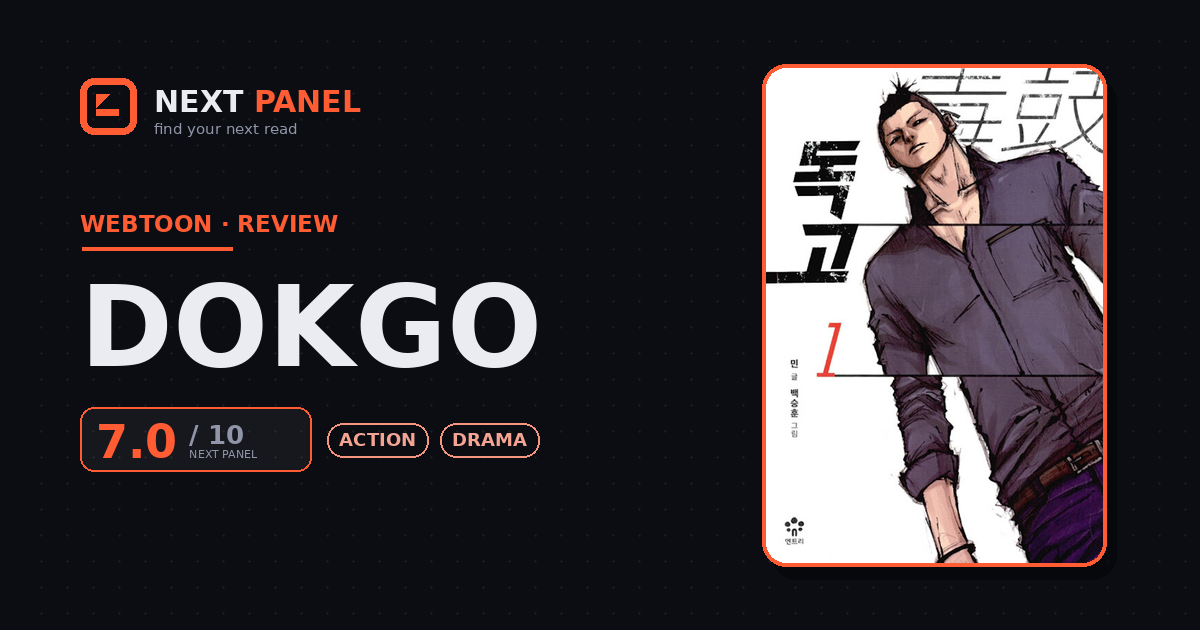
Genuinely well-choreographed fights and a lead who thinks two steps ahead — it's one of the sharper school-action revenge stories in the genre, not the most emotionally deep.
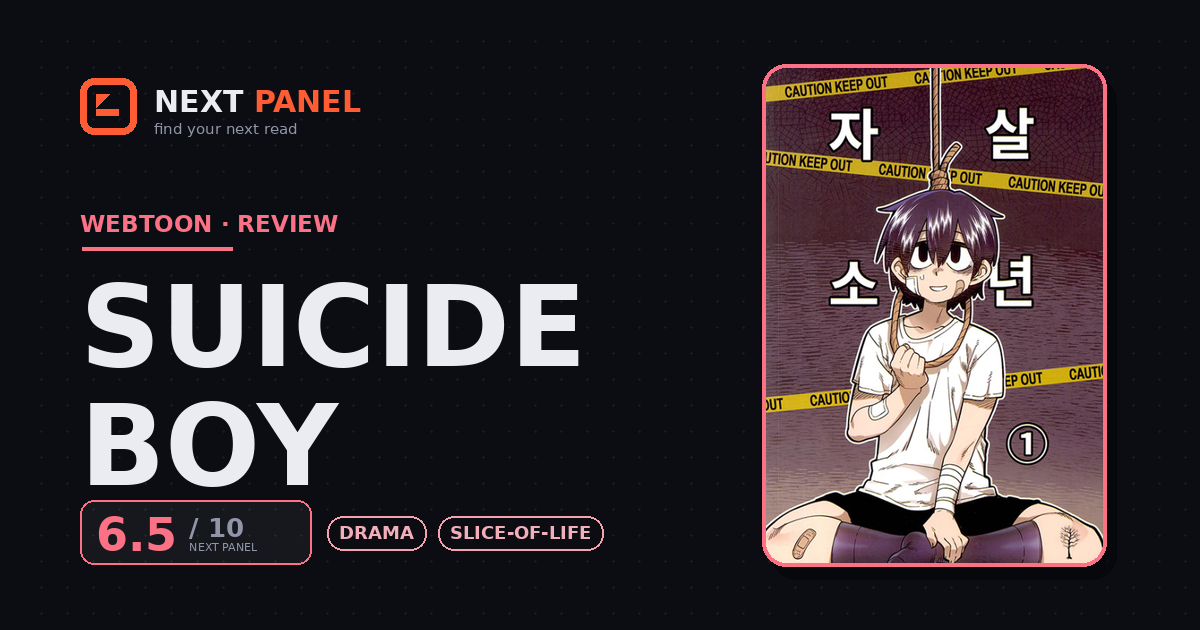
It earns its heavier moments more often than not, though a few stretches lean on melodrama instead of trusting the reader.
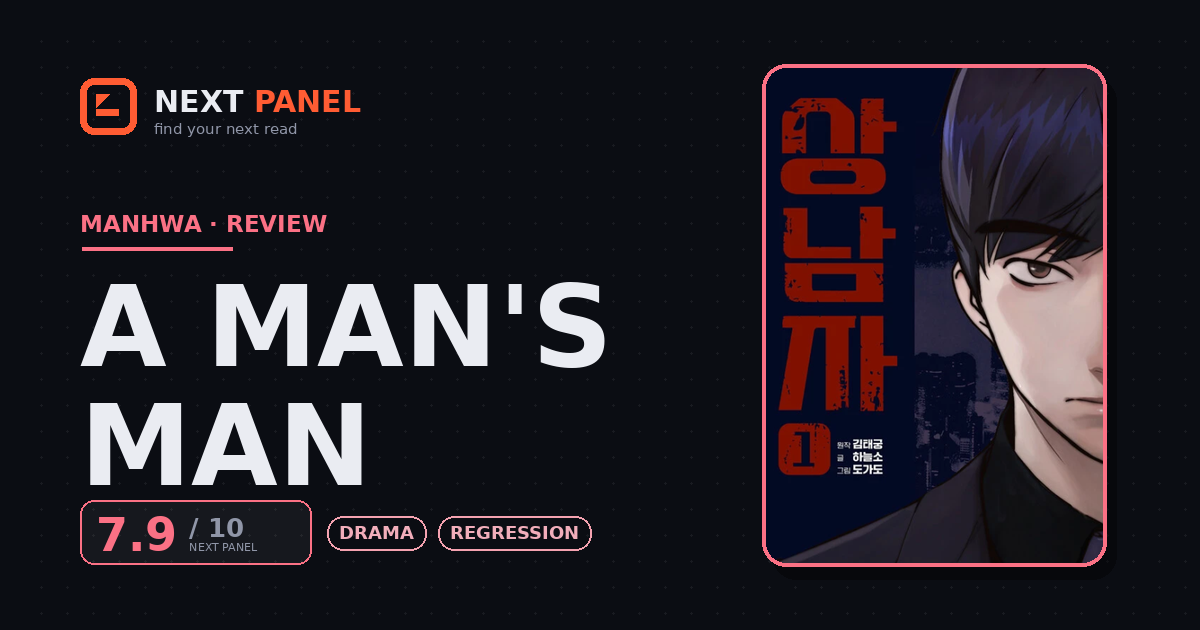
It's less about becoming a business god and more about a man trying to be decent to people in a system built to grind them down - and that's a rarer, better hook than the premise suggests.
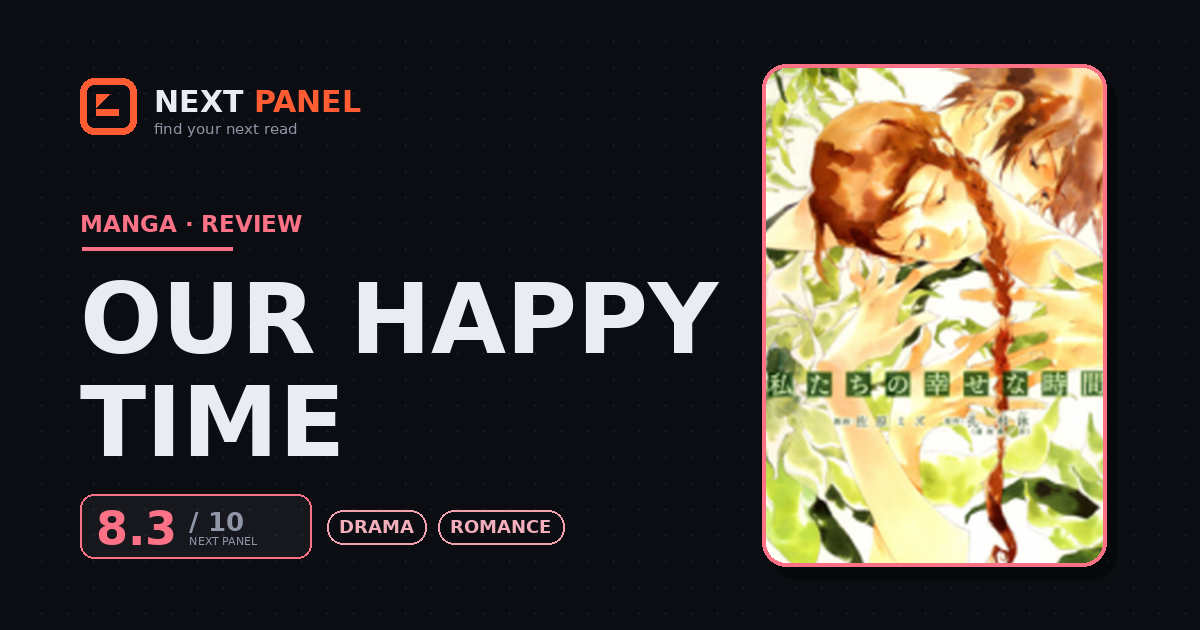
Eight chapters is all it needs to wreck you, and it never once feels like it's reaching for that reaction.
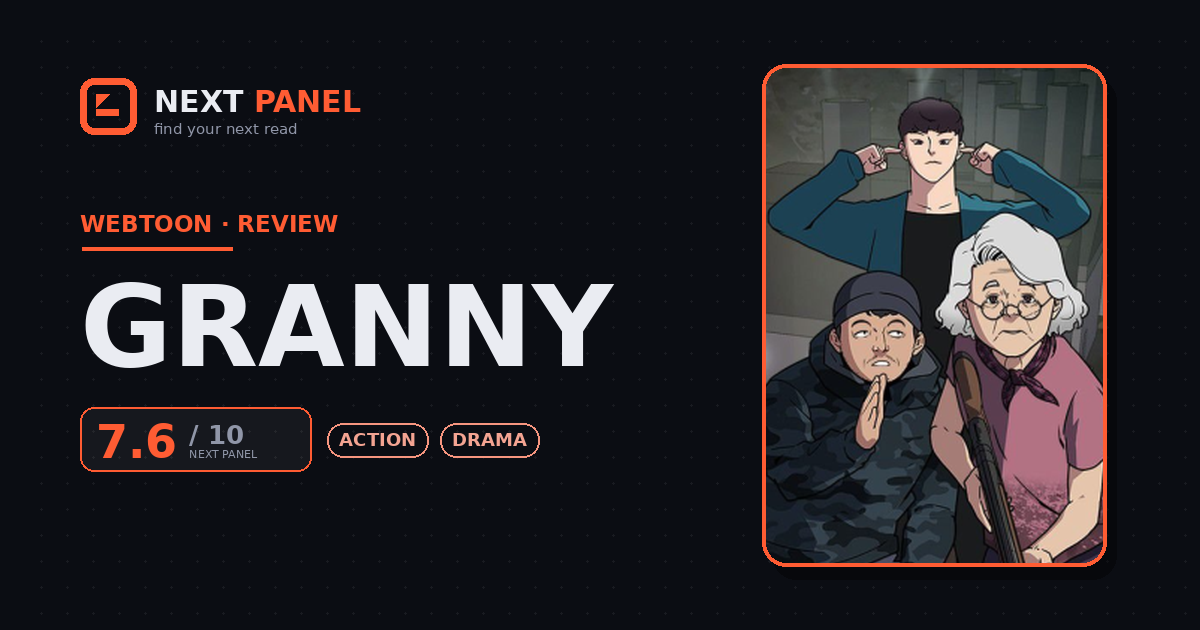
It could've been a one-note gimmick — grandma learns to fight — and instead it's one of the more grounded, well-earned revenge stories in the genre.
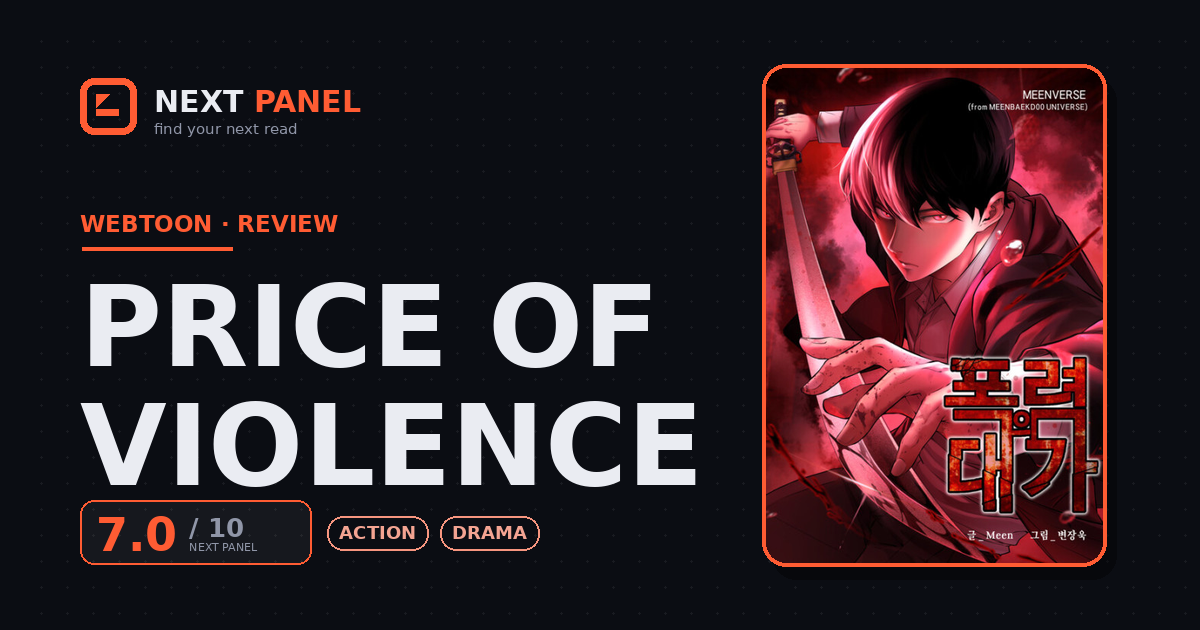
Si-ho's kumdo background gives the fights a technical precision most revenge manhwa skip straight past.