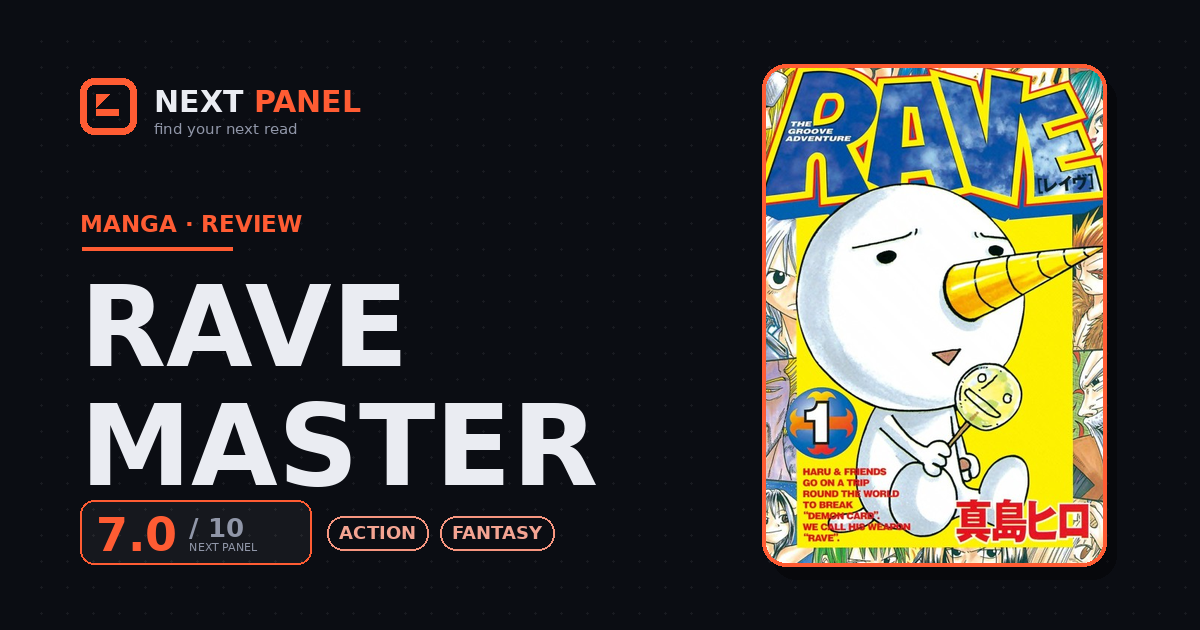
Manga7.0Minor SpoilersCompleted
Is Rave Master Worth Reading? Review & Where to Read
Mashima's other magnum opus has a better villain than most of Fairy Tail and a finale that needed twice the room it got.
Spoiler-light · Honestly rated
Every review labels its spoiler level, separates art from writing, and ends with an official way to read.
We use the whole 1–10 scale and judge each title against the best version of what it is trying to be — a comedy on how funny it is, a thriller on its tension — not against some other genre. As a rough guide: 9+ is all-time great, 8 excellent, 7 a solid recommendation with caveats, 5–6 mixed or average. A 7 is a genuine yes, not a knock. The “Community score” in each review is the crowd rating from AniList, MAL, and MangaUpdates, shown next to ours for comparison.
Reincarnating a Devil King into a servant's body plays out mostly how you'd expect, but the specific bind of an unbreakable dying wish gives The Devil Butler's power imbalance a sharper hook than most.
Breaking a boy into a magic system built entirely around women could easily be played as a gimmick, but Ichi the Witch treats it as a real disruption with real consequences for how the world responds to him.
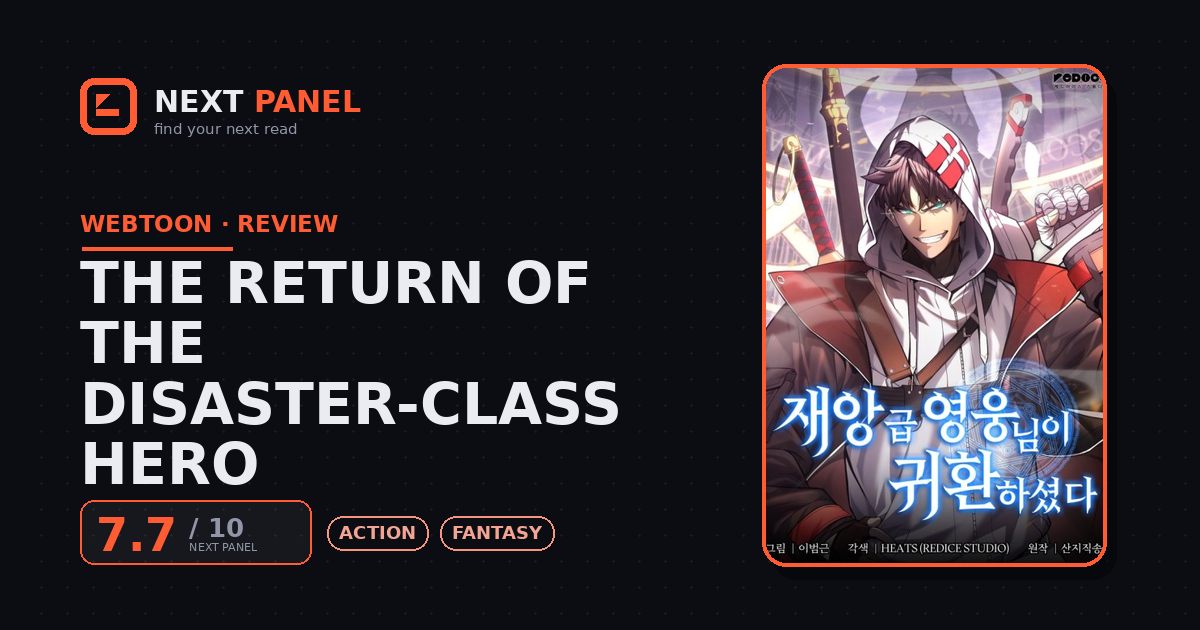
Revenge-against-former-allies is well-trodden ground in Korean webtoons, but Lee Geon's specific betrayal, by twelve people who were supposed to be his fellow saints, gives every confrontation a personal edge the genre often skips.

Climbing a mystical tower for power is a familiar hook, but this one adds a real emotional engine underneath: a dead brother's diary, and a revenge plot that actually pays off as the story escalates.
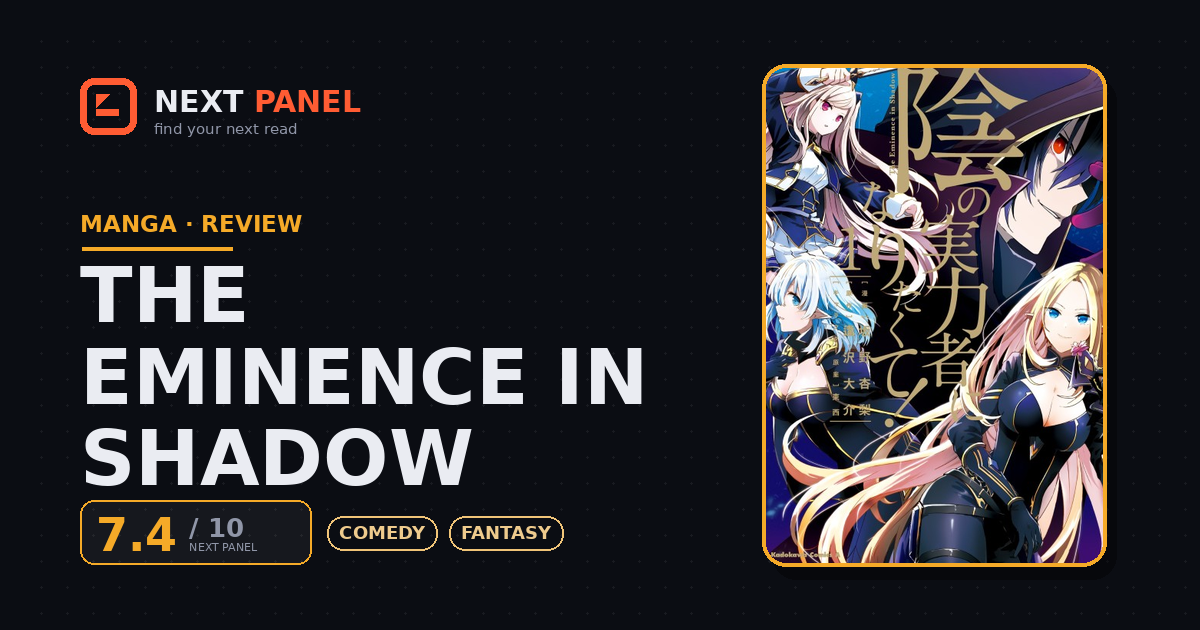
Cid's delusions of being a mysterious shadow mastermind keep accidentally coming true, and that gap between his self-image and the real stakes around him is a genuinely durable joke.
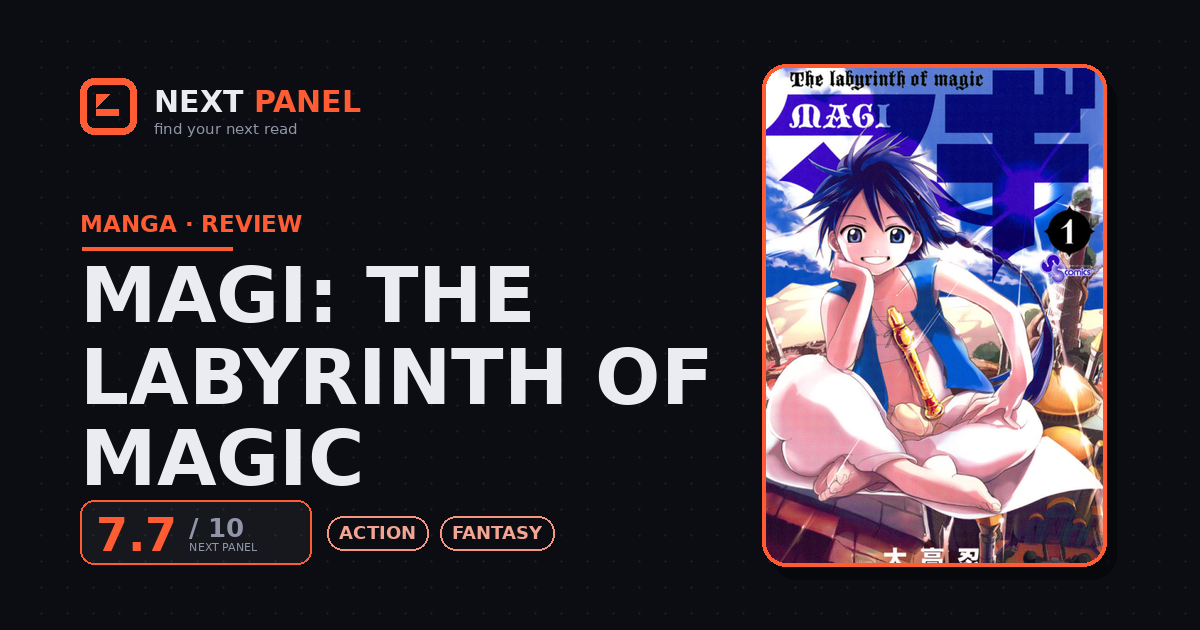
Few shonen series make the jump from breezy dungeon-crawl to genuine political epic this convincingly, even if the tonal shift catches some readers off guard.
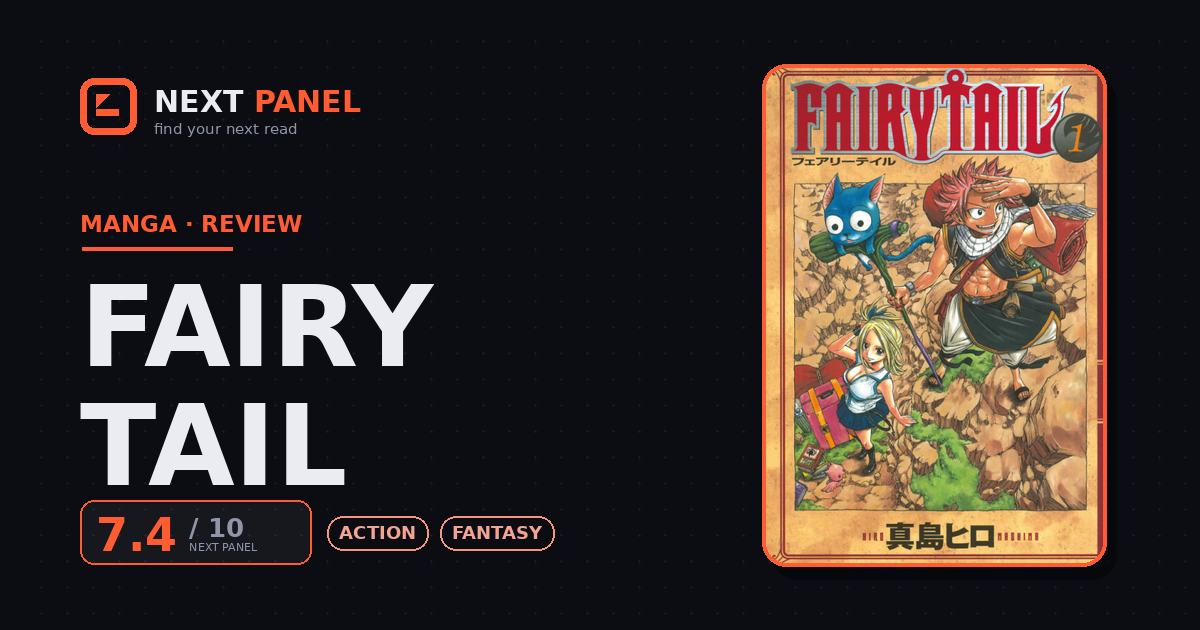
The 'strongest villain yet' formula wears thin by the fourth or fifth time, but the Fairy Tail guild itself is such a well-built found family that the series stays worth showing up for anyway.

Getting trapped inside a villain you personally designed is a sharper hook than the usual isekai memory-of-a-novel setup, and the death-flag tension holds up scene to scene.

Raising future villains instead of hunting them is a genuinely clever twist on an overused isekai setup, and the ticking ten-year clock keeps the early episodes from feeling padded.
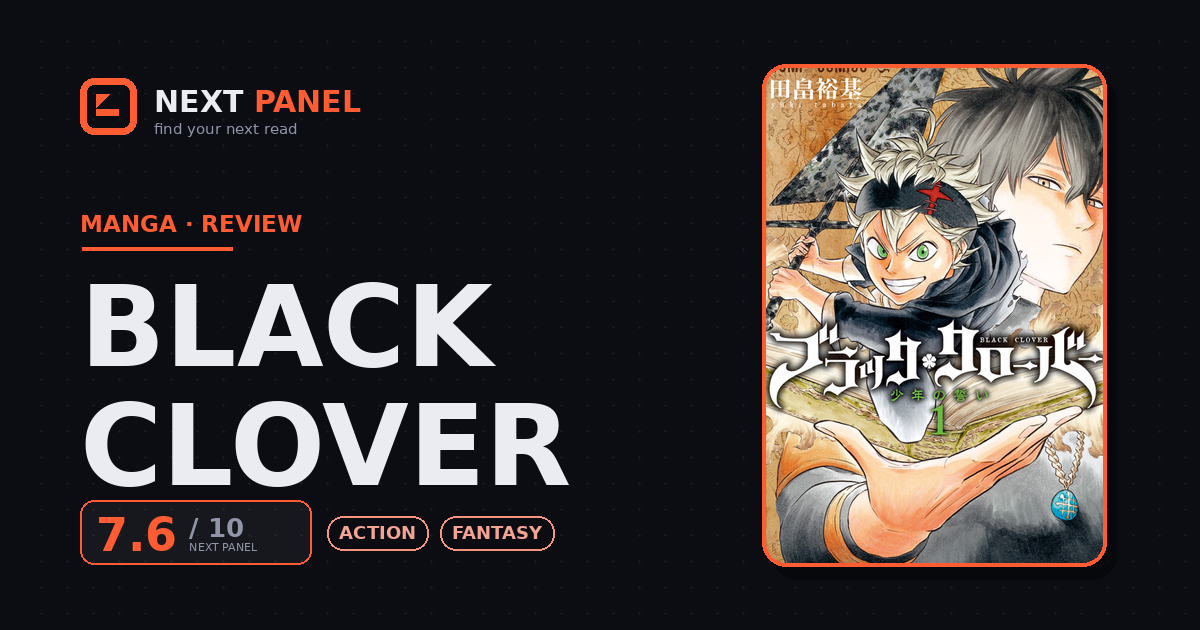
Asta yells a lot in the first fifty chapters, but stick with it — the found-family squad dynamics and the Asta/Yuno rivalry make this one of the few 300+ chapter shonen that actually sticks the landing.