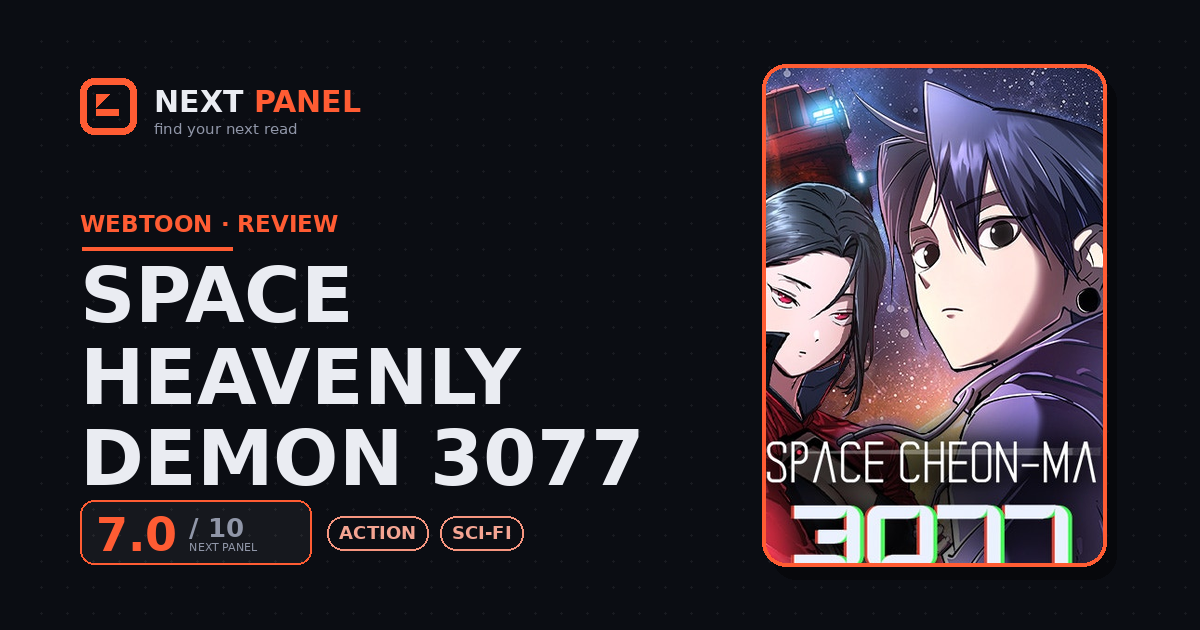
Webtoon7.0Minor SpoilersOngoing
Is Space Heavenly Demon 3077 Worth Reading? Review & Where to Read
The genre mashup is the whole appeal here, and it mostly earns it — just don't expect the writing to be as sharp as the concept.
Spoiler-light · Honestly rated
Every review labels its spoiler level, separates art from writing, and ends with an official way to read.
We use the whole 1–10 scale and judge each title against the best version of what it is trying to be — a comedy on how funny it is, a thriller on its tension — not against some other genre. As a rough guide: 9+ is all-time great, 8 excellent, 7 a solid recommendation with caveats, 5–6 mixed or average. A 7 is a genuine yes, not a knock. The “Community score” in each review is the crowd rating from AniList, MAL, and MangaUpdates, shown next to ours for comparison.
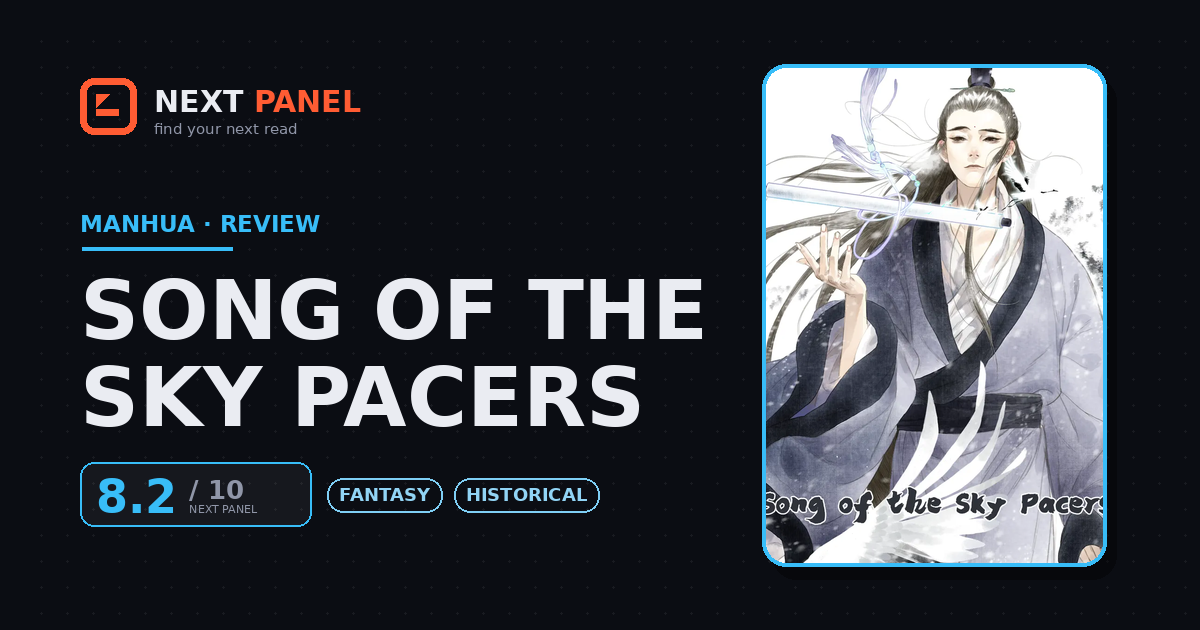
Slow down and let the paintings do half the storytelling — this isn't a quick-scroll webtoon, and it doesn't want to be.
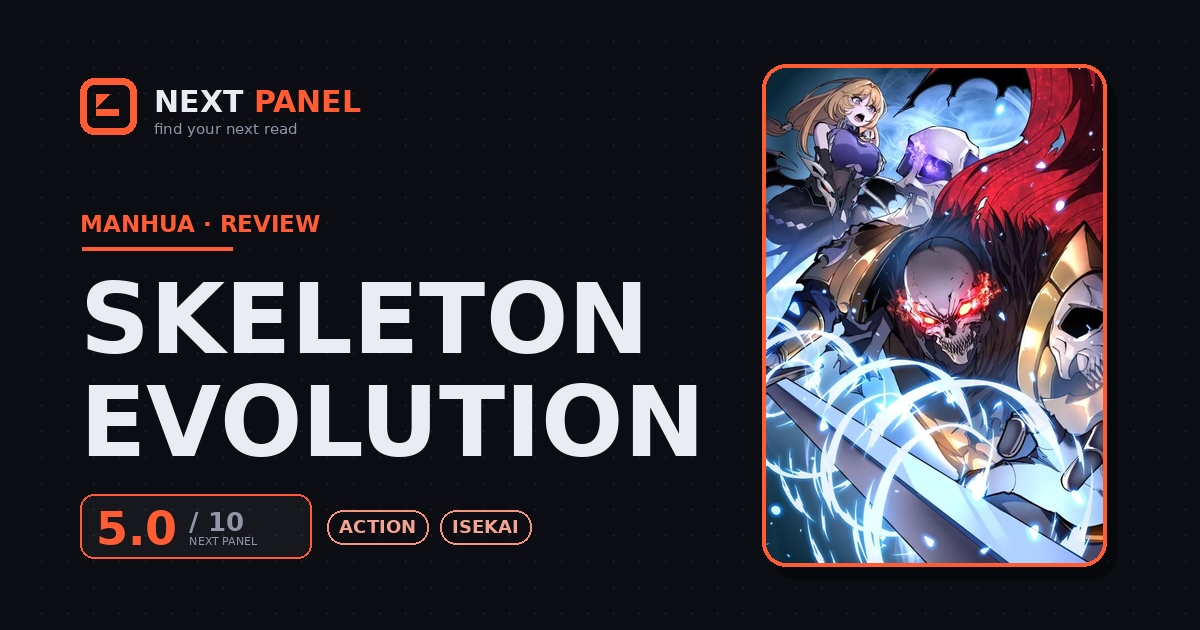
Fun for a quick binge of the chapters that exist; not something to get attached to.
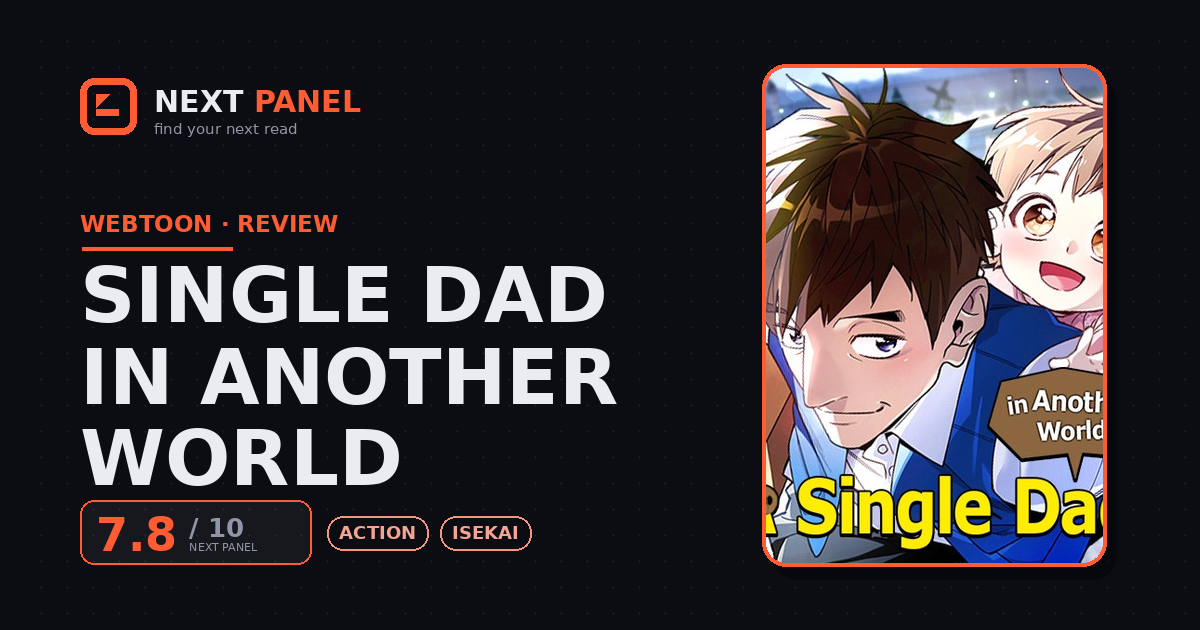
This is what happens when an isekai remembers to make the real world matter as much as the fantasy one.
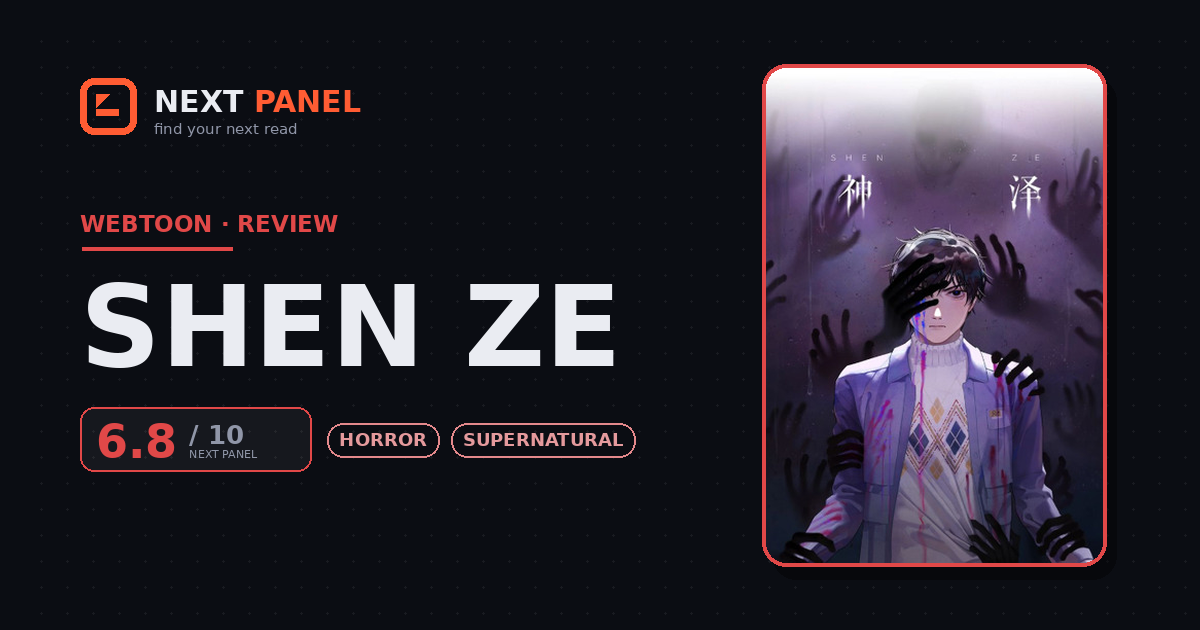
Good horror bones and a real sense of dread, undercut by a story that rushes through revelations it should have let breathe.

It trades instant power spikes for something better: a fighter who actually has to learn how to fight, surrounded by a cast worth remembering.
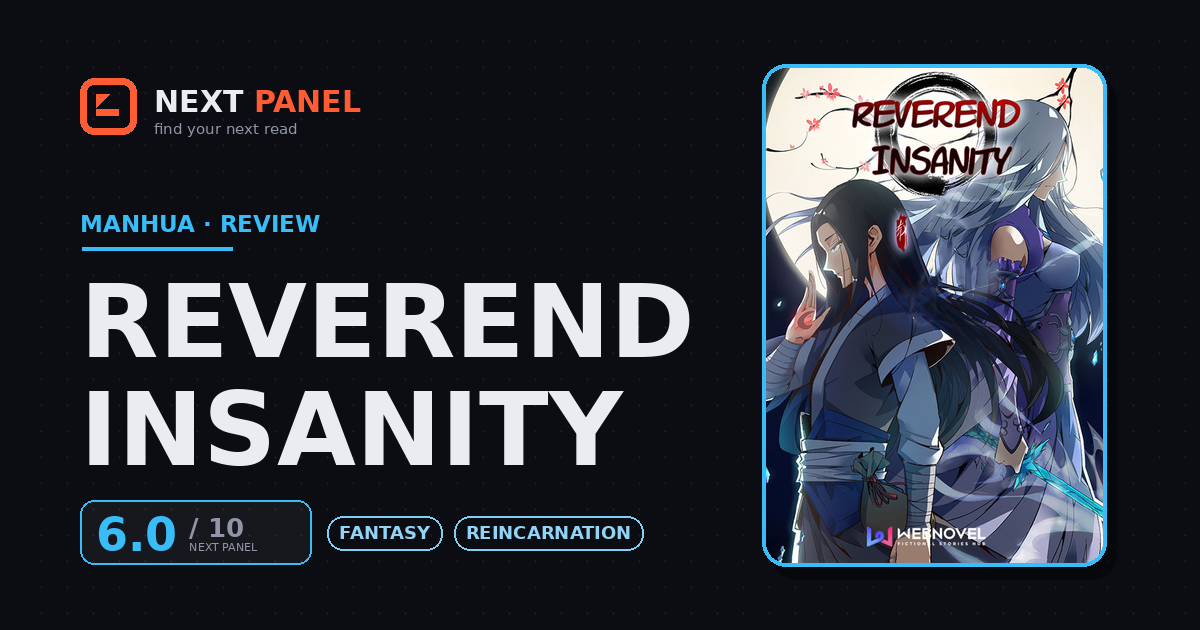
Good bones, rough execution — this is the case for reading the novel with the manhua as a curiosity rather than the other way around.
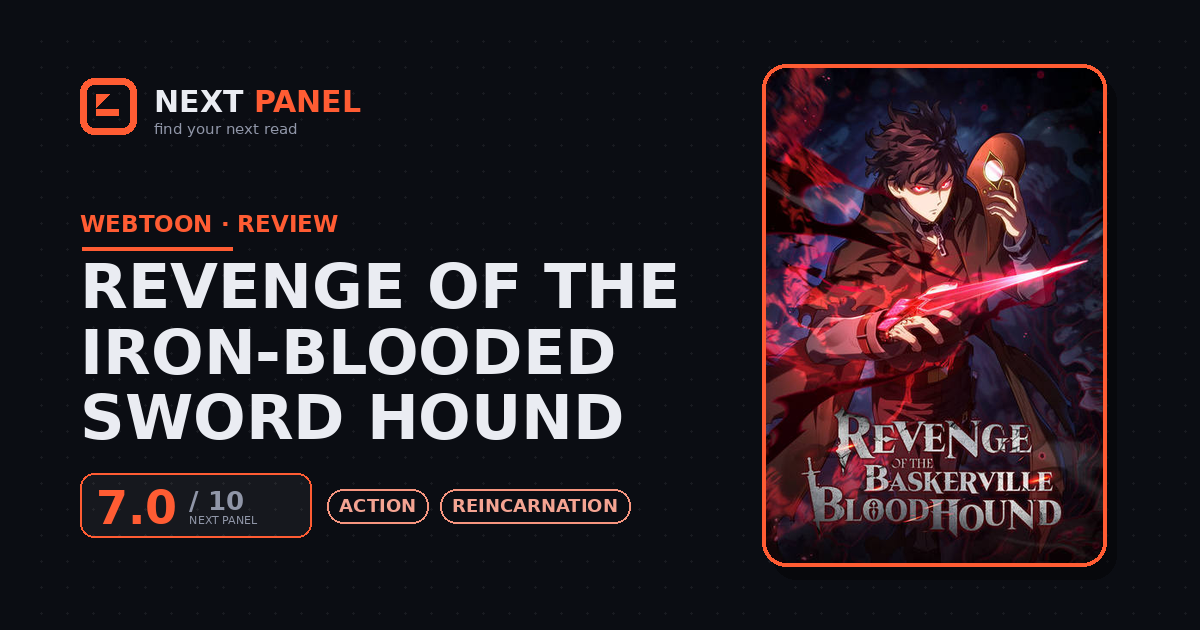
The fights are the reason to stay; the first stretch, before the cast fills out, is the reason people bounce off it early.
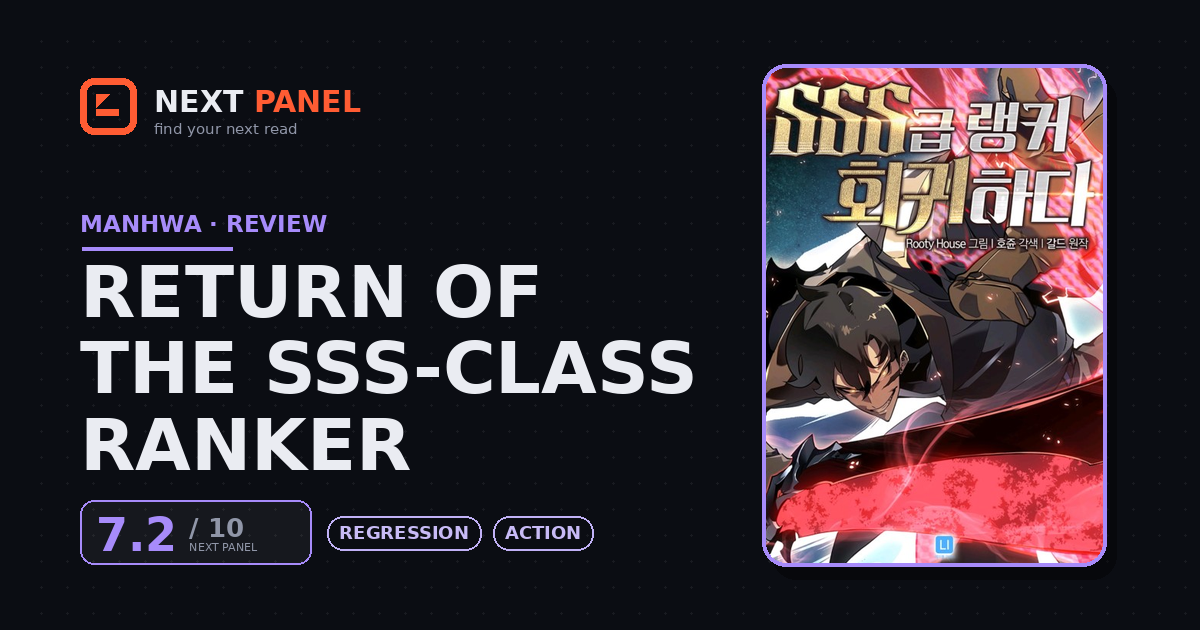
Rokan doesn't just remember that he was strong before, he remembers exactly how - specific builds, guilds, and rivals - and that precision makes his second climb feel like a plan rather than a coincidence.
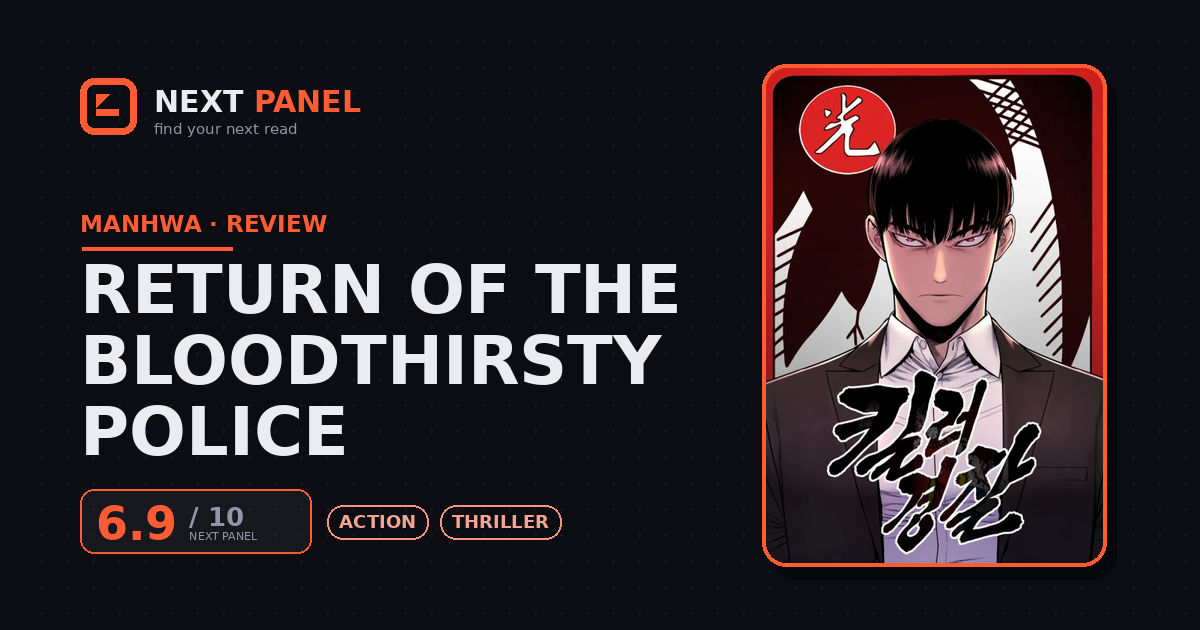
Bi-Gwang spends the story using a police badge the way he used to use a knife, and that cold competence, backed by a cult antagonist with real internal politics, makes this one of the sharper revenge premises in the genre.
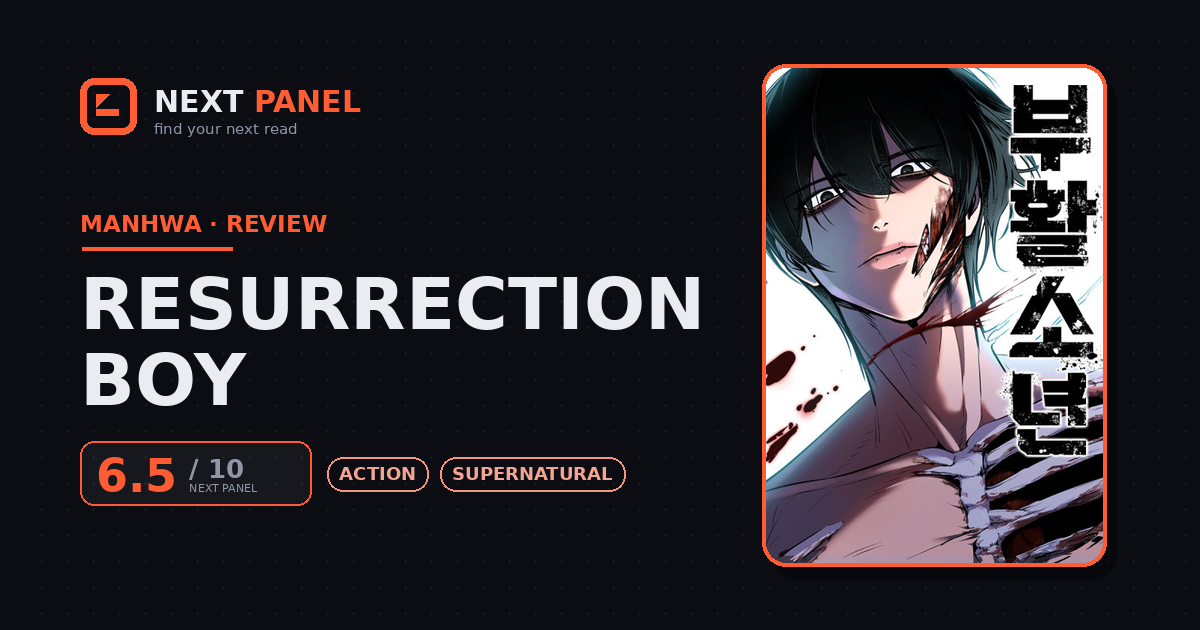
Regeneration powers usually mean nothing can touch the hero; here the point is that everything already has, and that reframing makes the fights hit differently than the genre usually manages.