Manga8.0Minor SpoilersCompleted
Is Hyouka Worth Reading? Review & Where to Read
Nothing gets stolen, nobody dies, and somehow the mysteries still feel worth solving.
Spoiler-light · Honestly rated
Every review labels its spoiler level, separates art from writing, and ends with an official way to read.
We use the whole 1–10 scale and judge each title against the best version of what it is trying to be — a comedy on how funny it is, a thriller on its tension — not against some other genre. As a rough guide: 9+ is all-time great, 8 excellent, 7 a solid recommendation with caveats, 5–6 mixed or average. A 7 is a genuine yes, not a knock. The “Community score” in each review is the crowd rating from AniList, MAL, and MangaUpdates, shown next to ours for comparison.
The art alone is worth the price of admission; the story asks you to feel your way through instead of understand it, and that won't work for everyone.
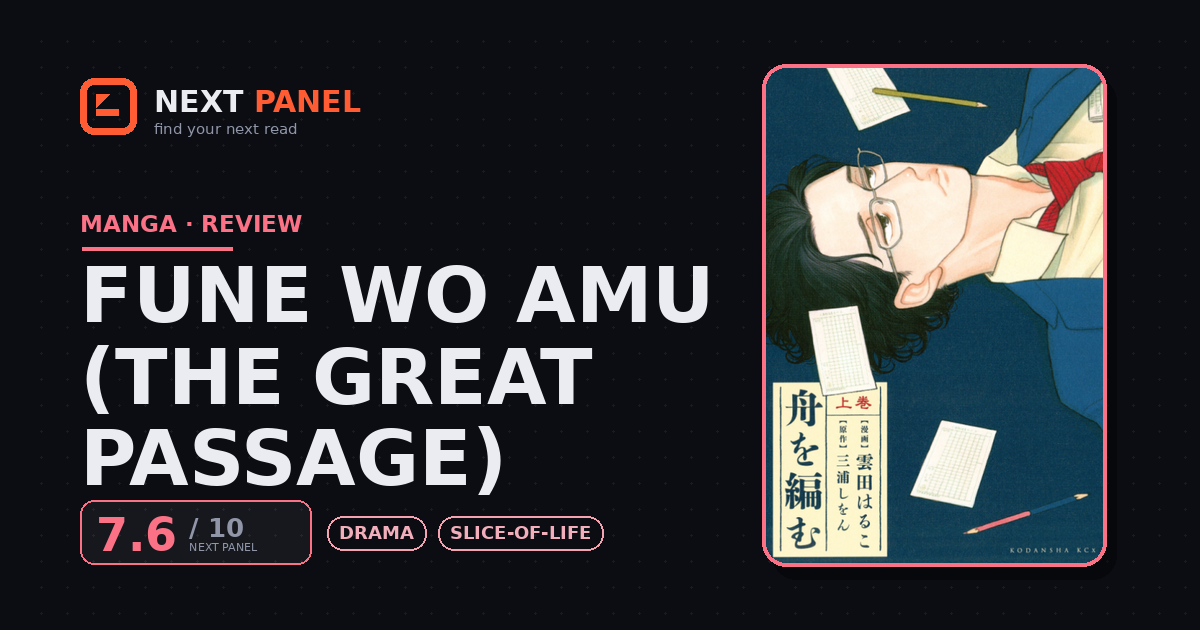
Two volumes about compiling a dictionary have no business being this moving, but here we are.
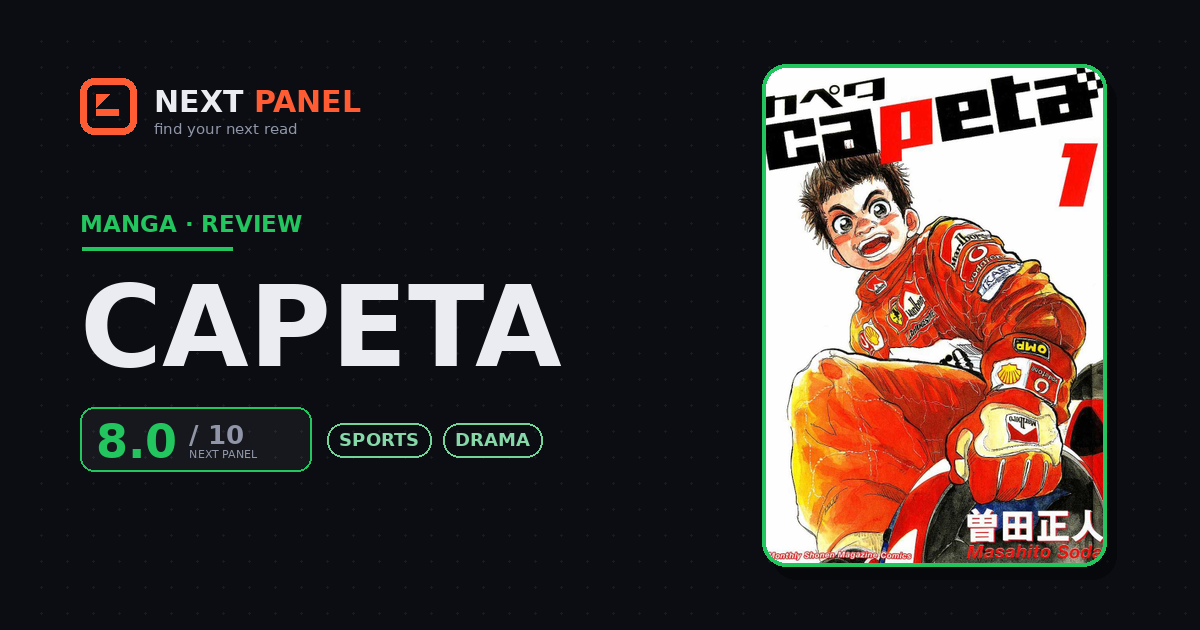
Most racing manga treat the cars as an afterthought to the drama. Capeta treats the cars like they matter, and the drama is better for it.
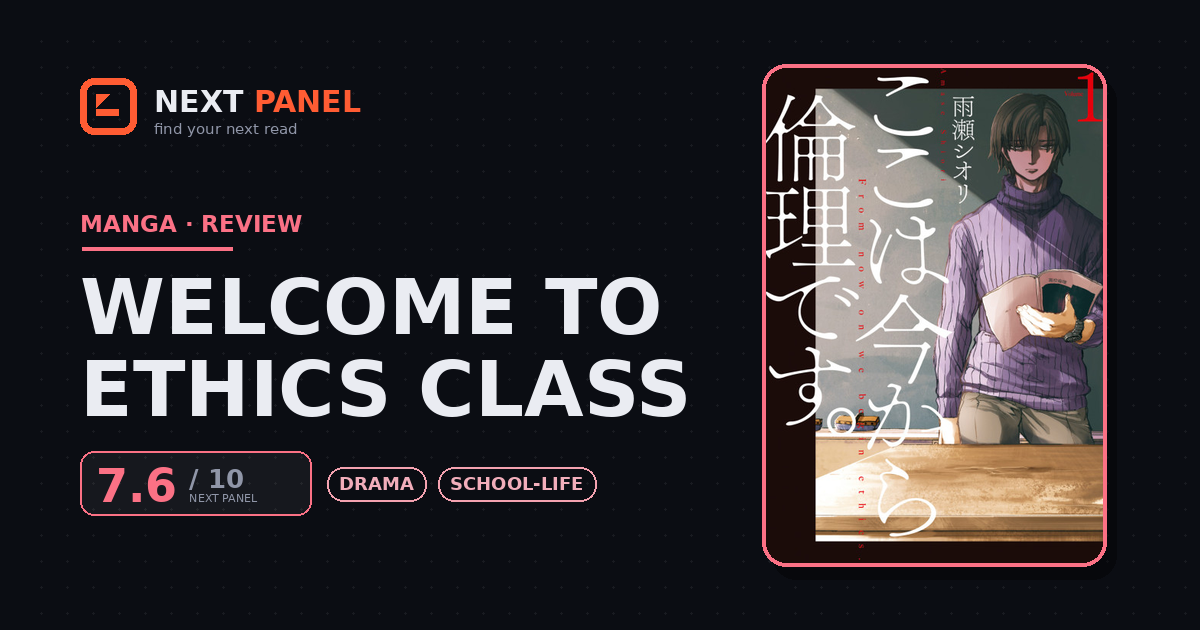
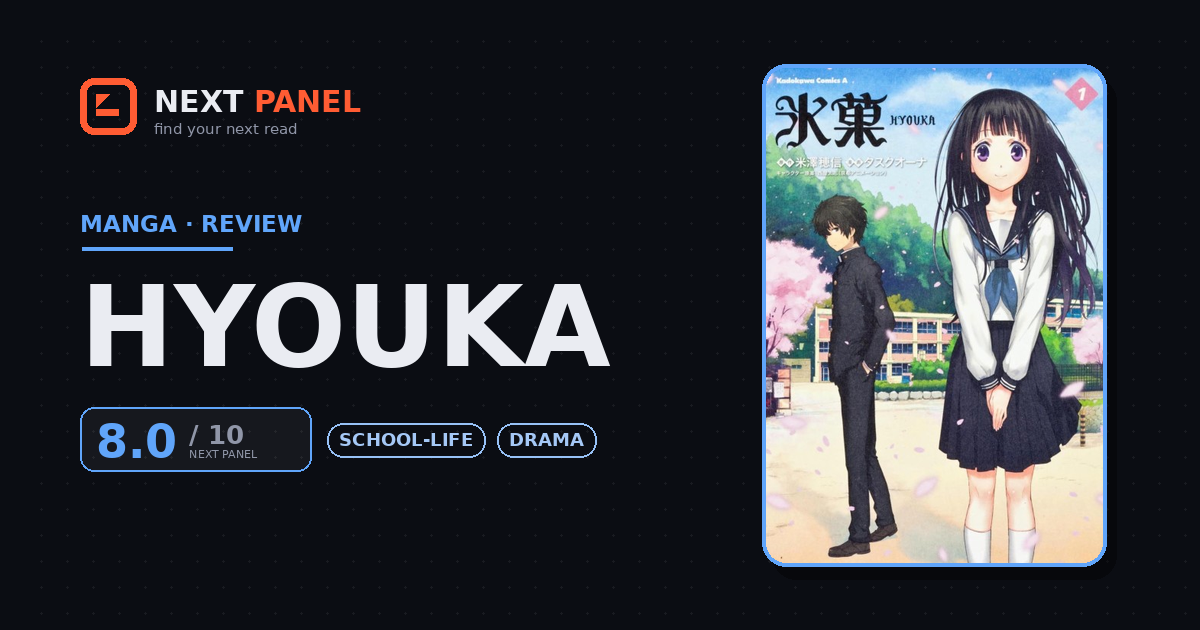
Homework is what the premise sounds like. What it actually is: one of the more quietly affecting school dramas out there.
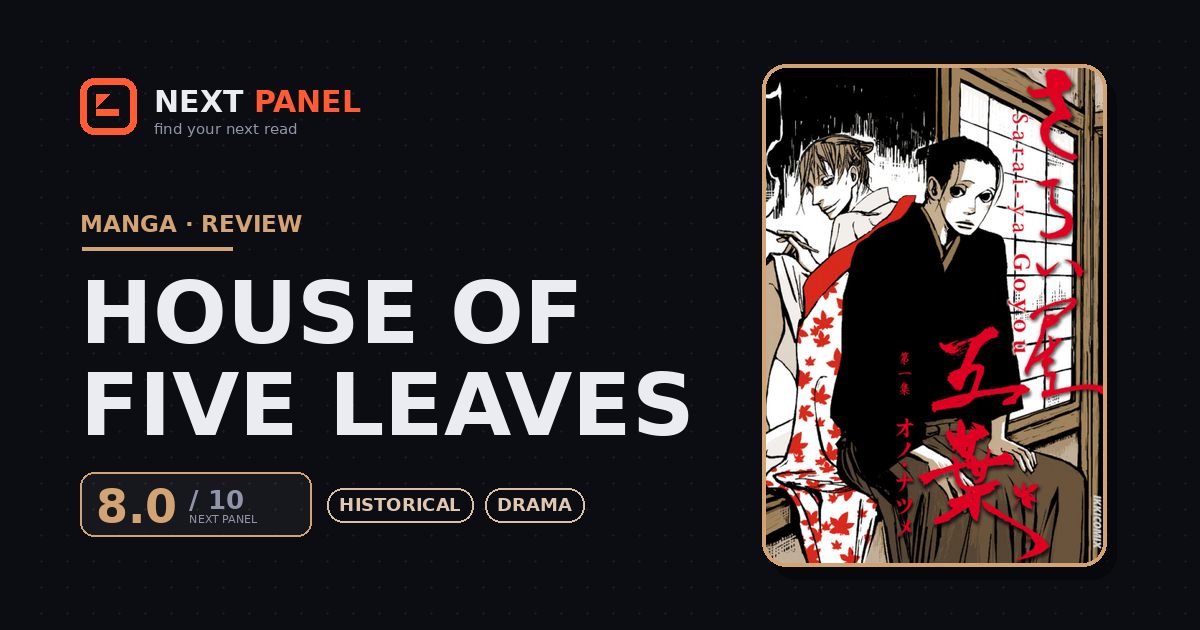
Nobody in this gang explains themselves, and figuring out why is most of the fun.
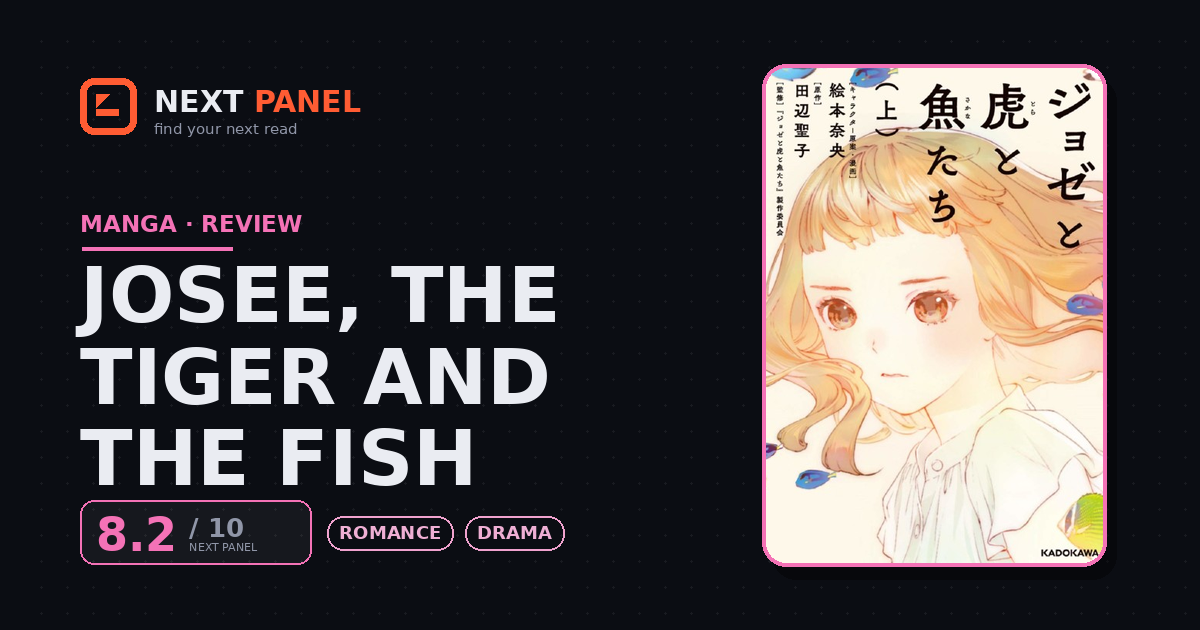
Barely a couple hundred pages long, and it still hits harder than romances five times its length.
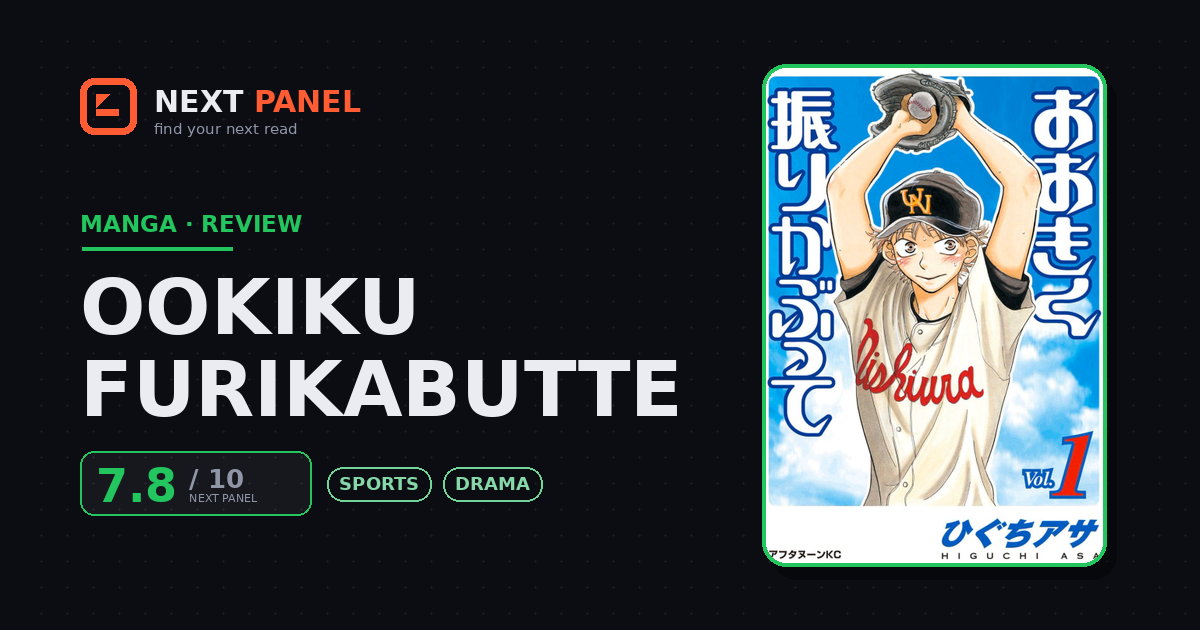
It treats a single half-inning with the same care most sports manga save for a series finale, and that patience is exactly why it works.

Hyeonsu ignoring the game's own rules because his real-world skill outclasses them is a small idea that carries a surprising amount of weight.

Name the actual selling point: a hidden-power premise applied to celebrity culture instead of combat, and it's more fun than that sounds.
Eiji's slow unraveling is genuinely tense chapter to chapter, even when a couple of the twists feel more convenient than earned.