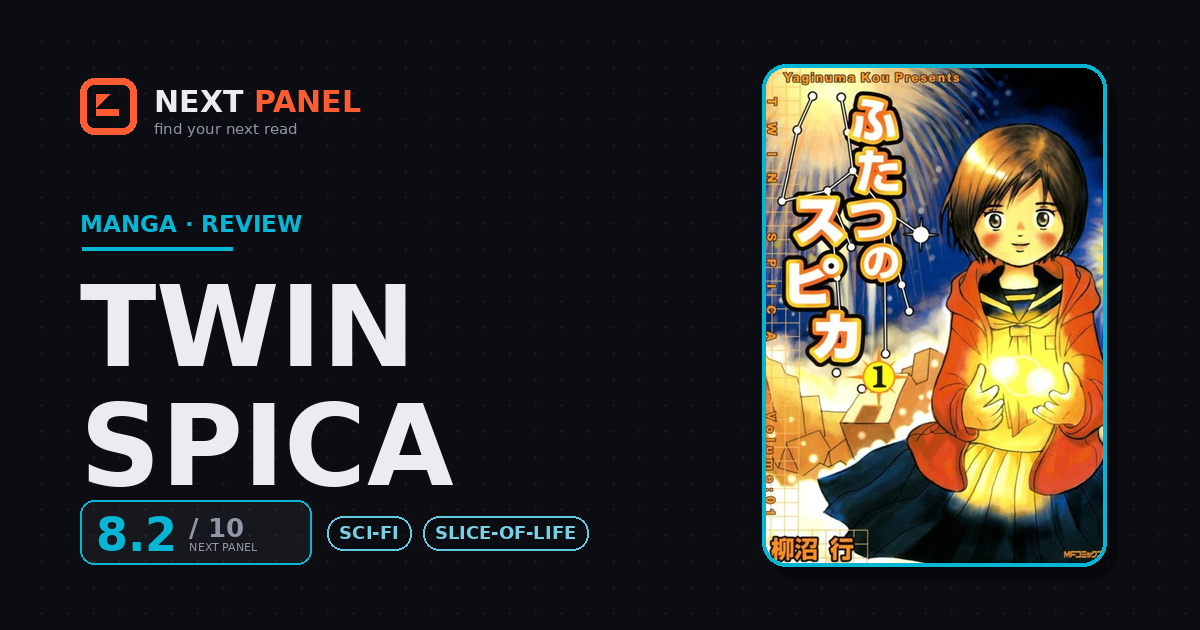
Manga8.2Minor SpoilersCompleted
Is Twin Spica Worth Reading? Review & Where to Read
Quiet, sad, and quietly hopeful — a story about reaching for space that earns every tear.
Spoiler-light · Honestly rated
Every review labels its spoiler level, separates art from writing, and ends with an official way to read.
We use the whole 1–10 scale and judge each title against the best version of what it is trying to be — a comedy on how funny it is, a thriller on its tension — not against some other genre. As a rough guide: 9+ is all-time great, 8 excellent, 7 a solid recommendation with caveats, 5–6 mixed or average. A 7 is a genuine yes, not a knock. The “Community score” in each review is the crowd rating from AniList, MAL, and MangaUpdates, shown next to ours for comparison.
Closer to Arthur C. Clarke in comic form than to most manga — cold, gorgeous, and full of wonder.
Far darker, denser, and more profound than the beloved film — Miyazaki's manga masterpiece is a dense ecological war epic that rewards every ounce of effort.

Almost nothing happens, and it's quietly devastating — two girls finding tiny joys in a dead world, and one of the most beautiful, meditative manga out there.
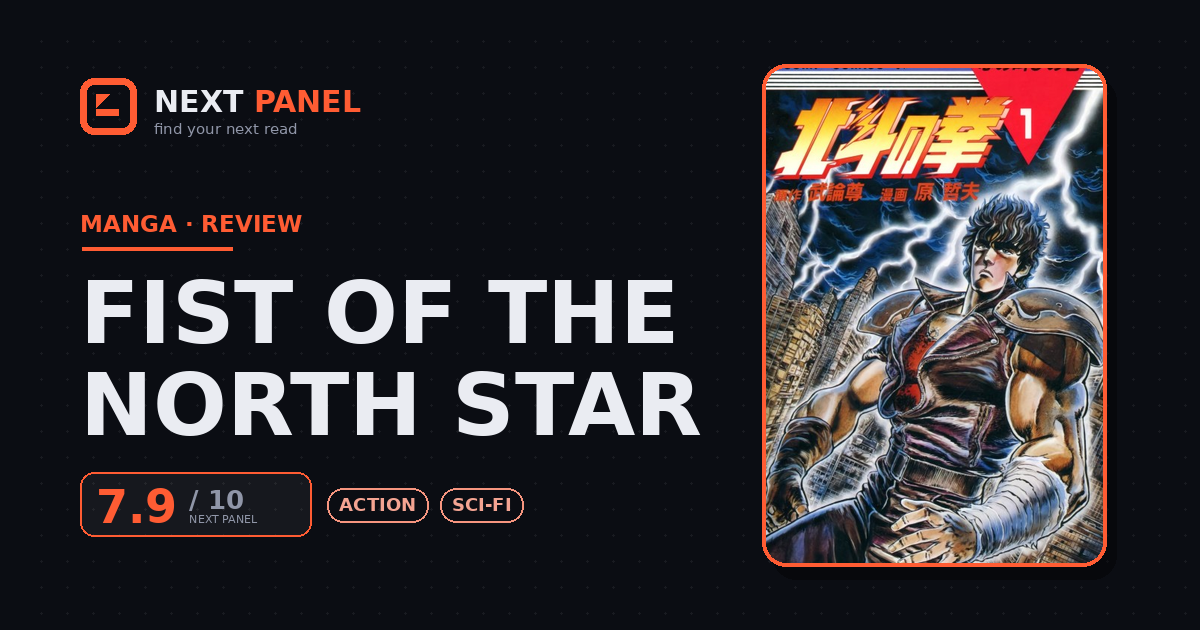
The blueprint for decades of macho action manga — gloriously over-the-top, weirdly moving, and built on the immortal line 'you are already dead.'
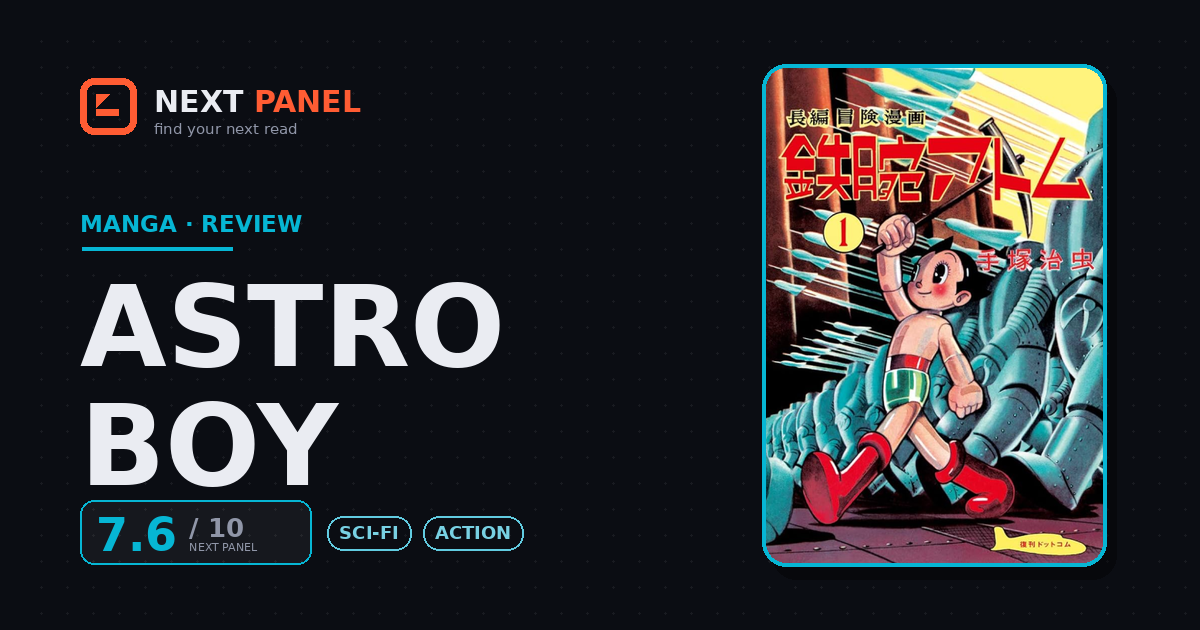
The blueprint for modern manga and anime — a charming kids' robot adventure that keeps sneaking in real questions about prejudice and what makes us human.
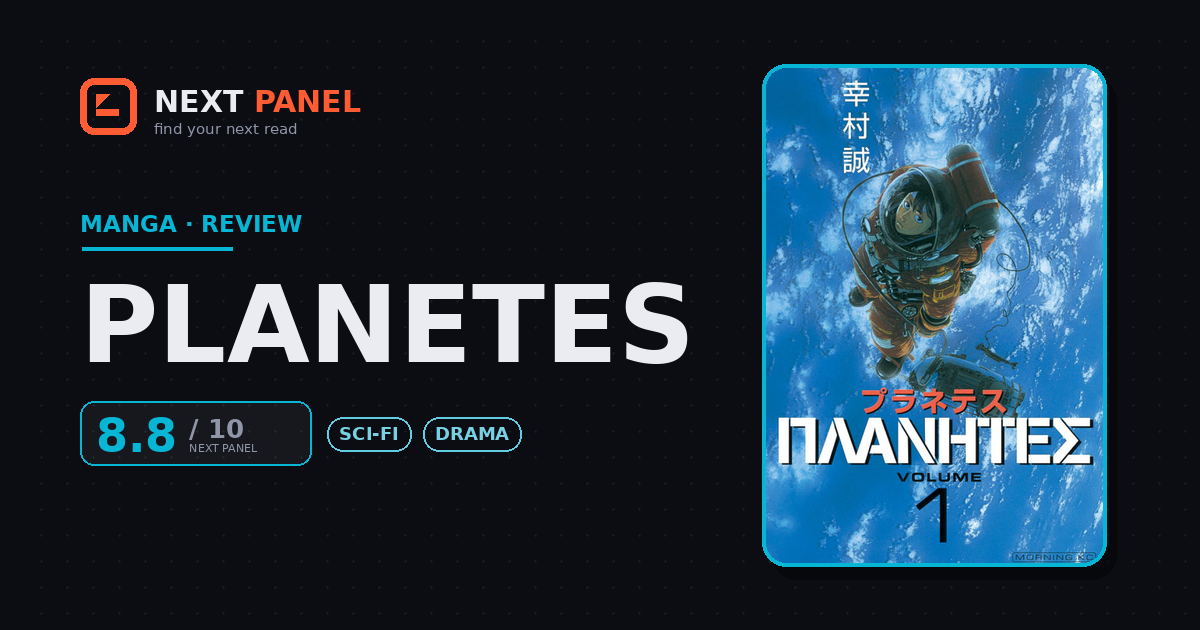
This is the space manga to hand someone who swears they don't like sci-fi — grounded, humane, and finished before it wears out its welcome.
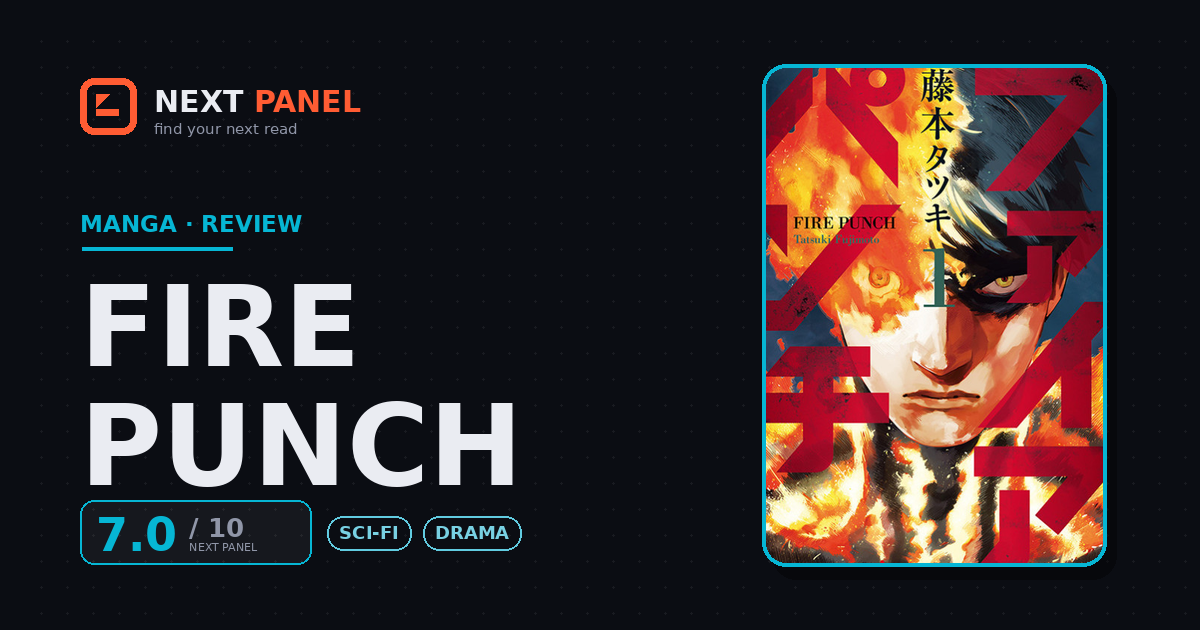
Tatsuki Fujimoto's raw, surreal debut — bold, ambitious, and thematically dense, but also messy, tonally chaotic, and genuinely disturbing, very much an acquired taste.
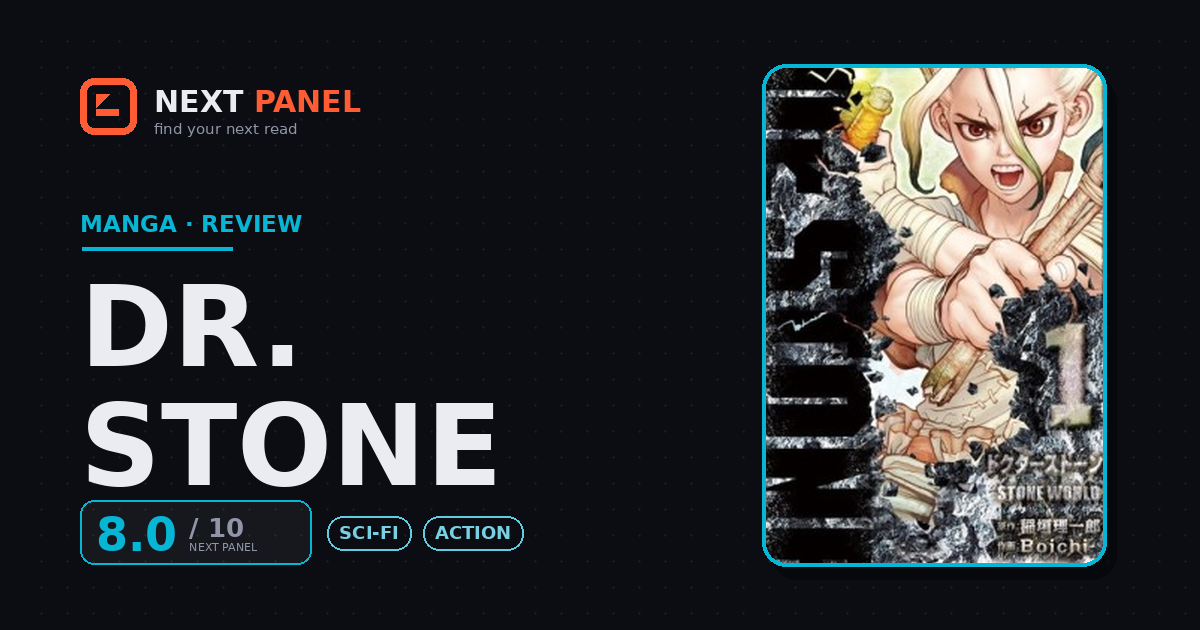
Wildly original, this science-adventure shonen makes rebuilding civilization genuinely thrilling — fun, optimistic, and gorgeously drawn, even if the science is hand-wavy and the late arcs dip.
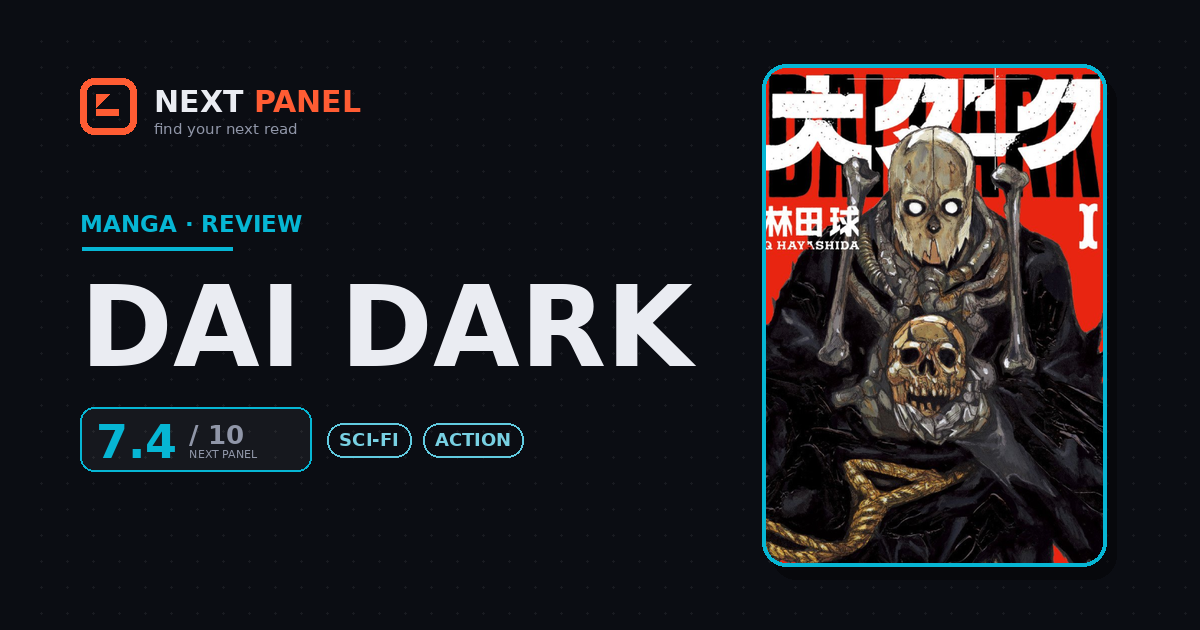
Gleefully weird and gory, this space romp from the Dorohedoro creator runs on unmistakable style and deadpan fun — even if it's lighter on plot than her best work.
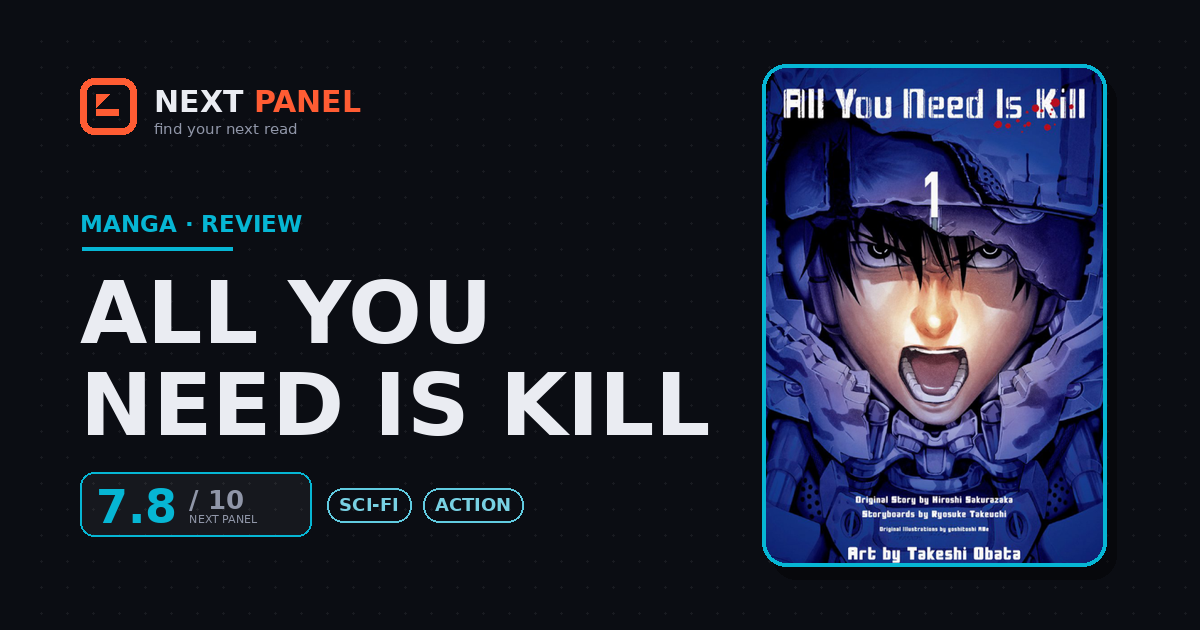
Takeshi Obata's gorgeous art meets a sharp sci-fi time-loop premise in a tight, complete two-volume read — short on depth, but a punchy, great-looking ride.