Manga7.5Completed
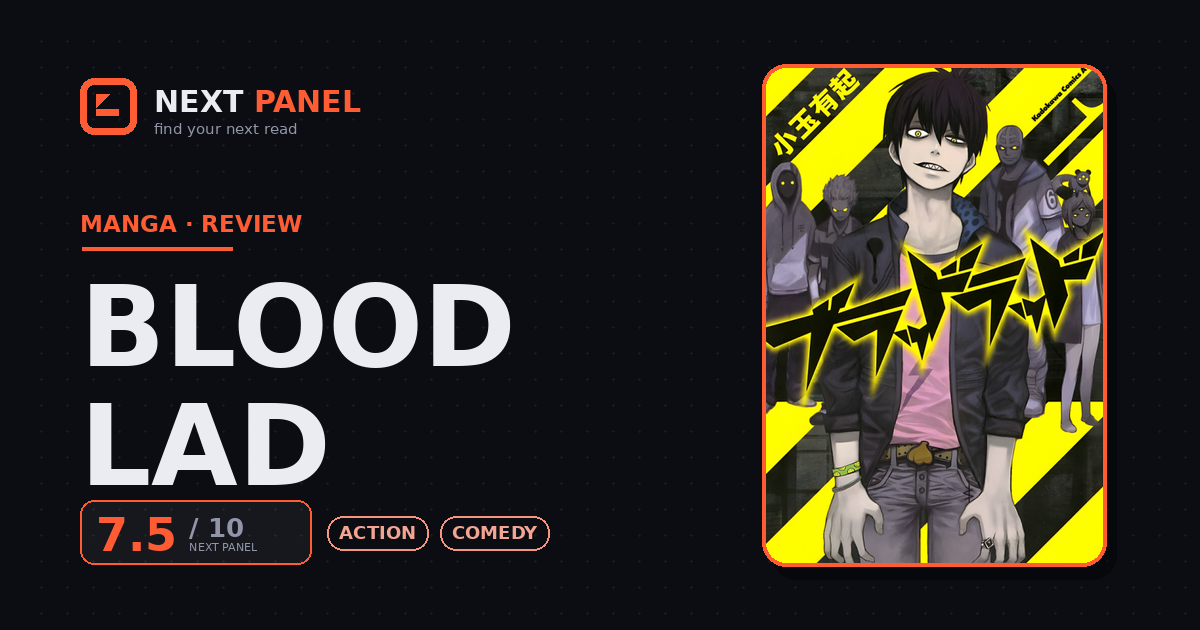
Is Blood Lad Worth Reading?
Yuuki Kodama's demon-world action comedy follows an otaku vampire boss on a genuinely inventive quest to resurrect the human girl he fell for and lost in the same chapter.
Spoiler-light · Honestly rated
Every review labels its spoiler level, separates art from writing, and ends with an official way to read.
We use the whole 1–10 scale and judge each title against the best version of what it is trying to be — a comedy on how funny it is, a thriller on its tension — not against some other genre. As a rough guide: 9+ is all-time great, 8 excellent, 7 a solid recommendation with caveats, 5–6 mixed or average. A 7 is a genuine yes, not a knock. The “Community score” in each review is the crowd rating from AniList, MAL, and MangaUpdates, shown next to ours for comparison.

Akiko Higashimura's josei comedy follows a shy otaku illustrator out of her shell, using fashion and self-transformation as the engine for real personal growth instead of a makeover-trope punchline.

Aya Nakahara's height-gap romantic comedy turns an old shojo joke, a tall girl and a short boy, into one of the genre's most durable will-they-won't-they pairings.

Miyuki Tonogaya's workplace rom-com turns 'his emotions trigger snowstorms' into a genuinely sweet metaphor for learning to read someone who won't say how they feel out loud.

Koucha Agasawa's opposites-attract romcom uses its extrovert-introvert pairing as a way into genuinely well-observed social anxiety, not just a gimmick.

Reiji Miyajima's rom-com hooks readers fast with a genuinely funny premise, then spends dozens of volumes testing how long that hook can carry a plot that barely moves.

Nanaki Nanao's fantasy manga starts as a goofy hero-versus-demon-army comedy and quietly escalates into one of the more surprising tonal swings in recent shonen fantasy.
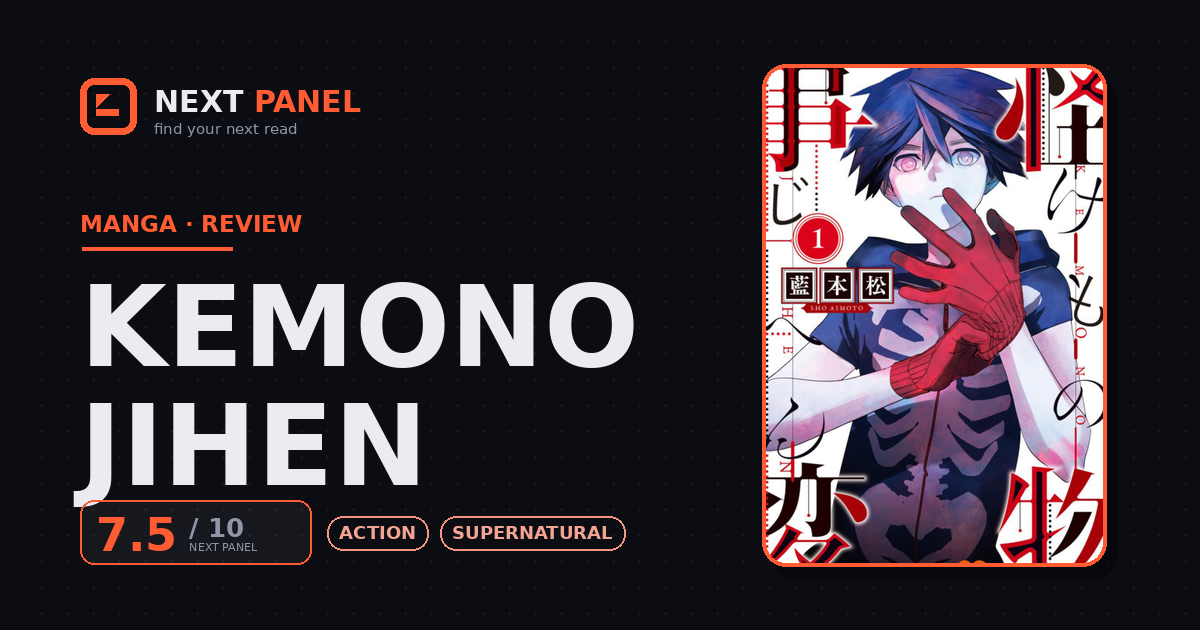
Sho Aimoto's yokai-detective manga pairs unsettling folklore horror with a found-family core that keeps the mystery-of-the-week structure from going stale.

Tight, fast-moving psychological thriller that does a lot with a small cast and a short page count.
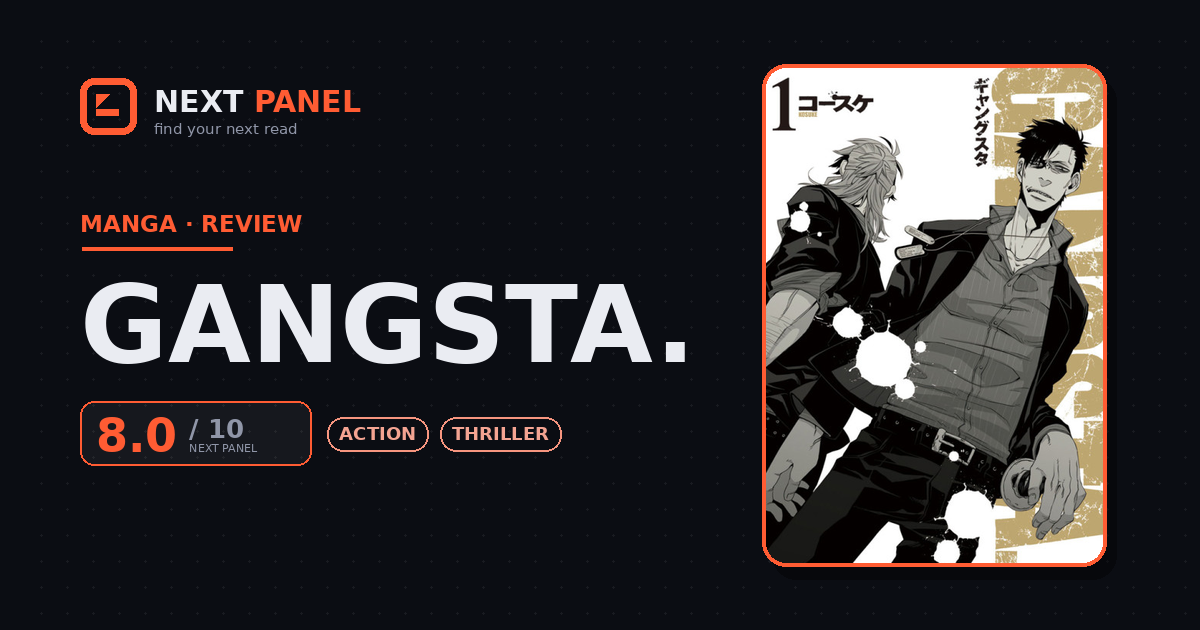
Genuinely well-crafted crime drama built on one of manga's more quietly compelling partnerships.
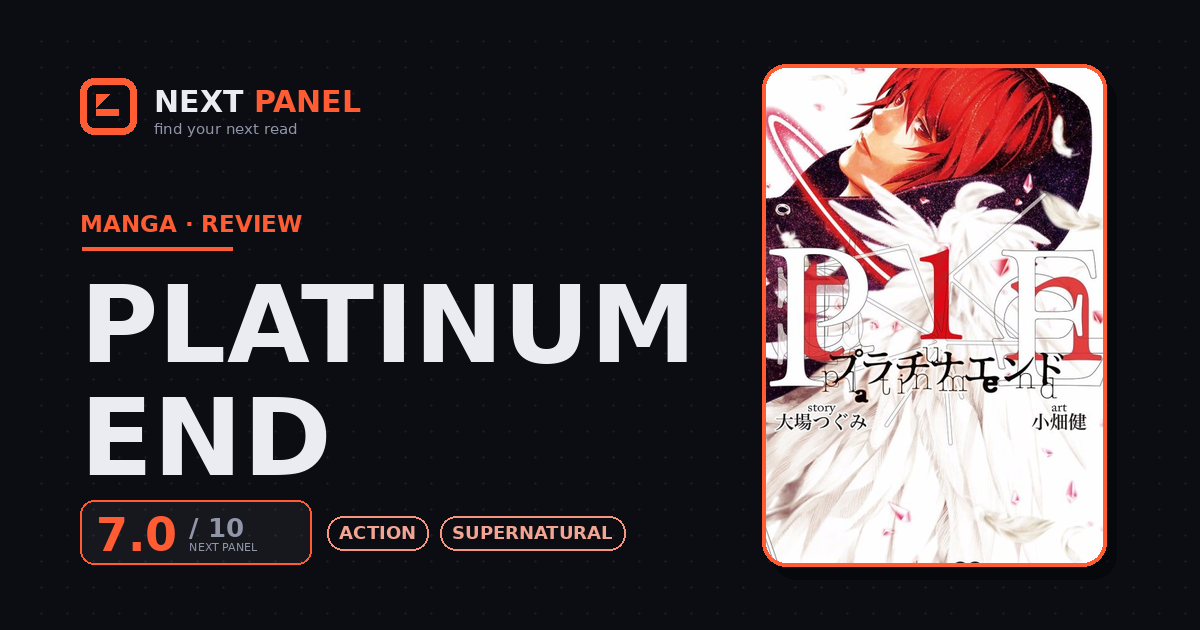
Visually stunning premise from the Death Note team that starts strong and loses its grip as the candidate roster expands.