Manga6.9Minor SpoilersOngoing
Is Noa-senpai wa Tomodachi. Worth Reading? Review & Where to Read
Watching a composed coworker completely fall apart after a few drinks makes for easy, contrast-driven comedy chapter after chapter.
Spoiler-light · Honestly rated
Every review labels its spoiler level, separates art from writing, and ends with an official way to read.
We use the whole 1–10 scale and judge each title against the best version of what it is trying to be — a comedy on how funny it is, a thriller on its tension — not against some other genre. As a rough guide: 9+ is all-time great, 8 excellent, 7 a solid recommendation with caveats, 5–6 mixed or average. A 7 is a genuine yes, not a knock. The “Community score” in each review is the crowd rating from AniList, MAL, and MangaUpdates, shown next to ours for comparison.
Knowing this mentor-student story actually happened gives every hard lesson and payoff more weight than fiction usually manages.
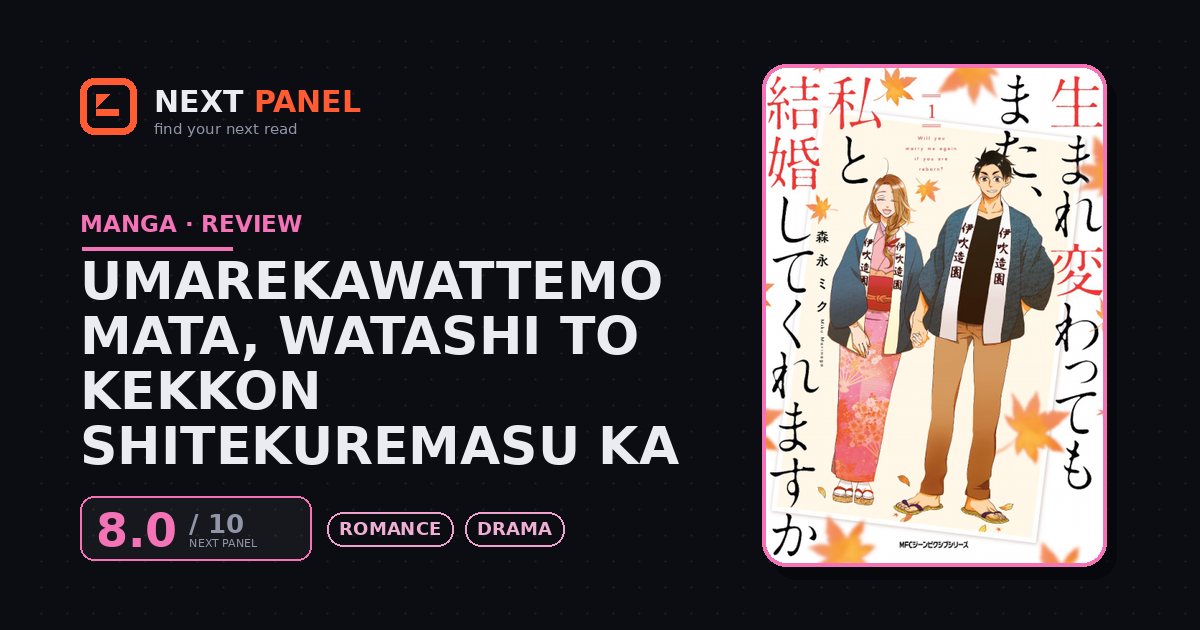
Starting from the end of a marriage and reminiscing backward gives this romance a shape most of the genre never attempts.

Swapping the bashful role from the heroine to the hero gives this manga-studio rom-com a different rhythm than most workplace romances.
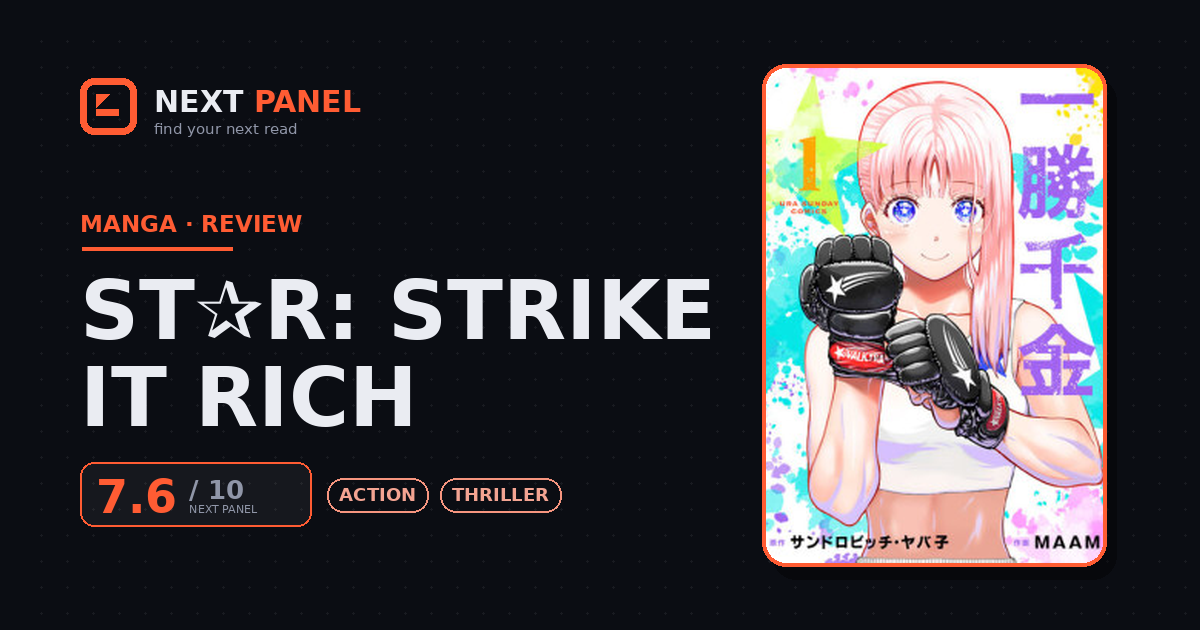
Three women with three very different skill sets turn a scrappy money-making scheme into the center of a much bigger conspiracy.
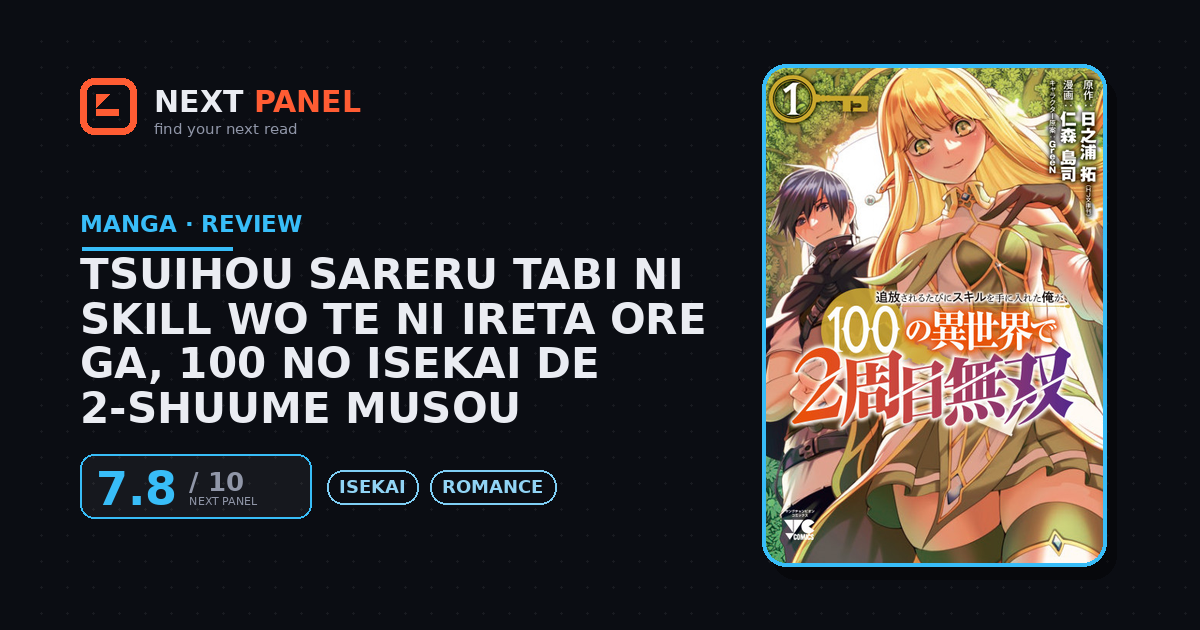
One hundred worlds, one hundred exiles, one very specific reason to keep going back -- this isekai gimmick actually earns its premise.
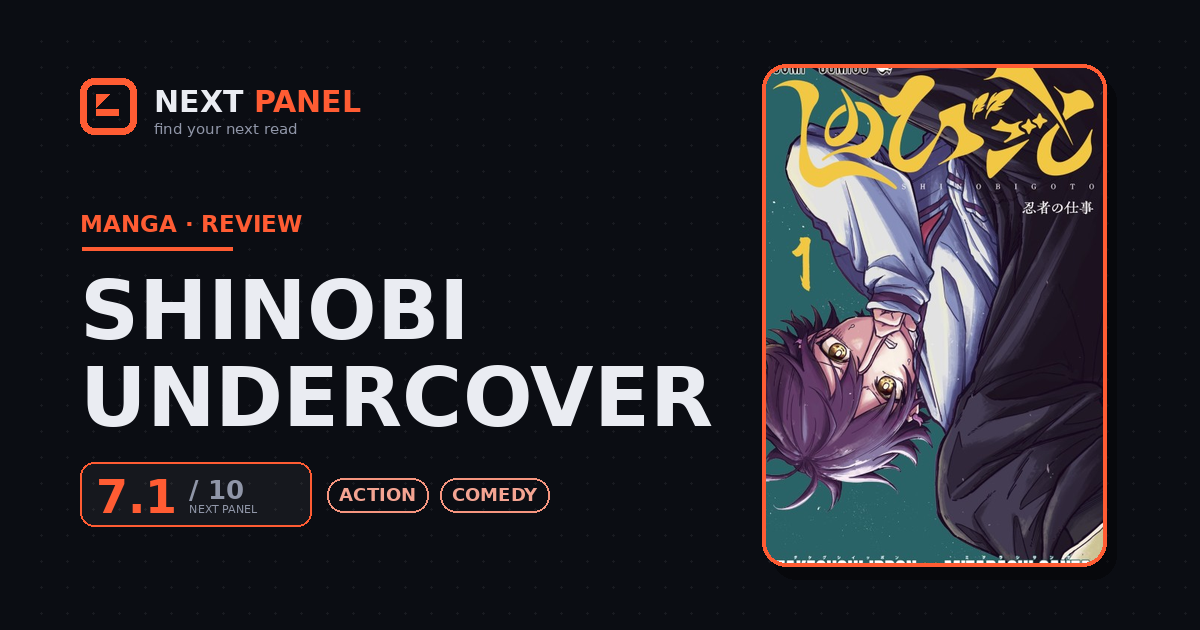
Deadly on the job, hopeless in conversation -- that specific gap makes for a sharper comedic engine than the standard secret-bodyguard premise usually offers.

Treats 'who wins the love triangle' as a question worth actually fighting over instead of a foregone conclusion.
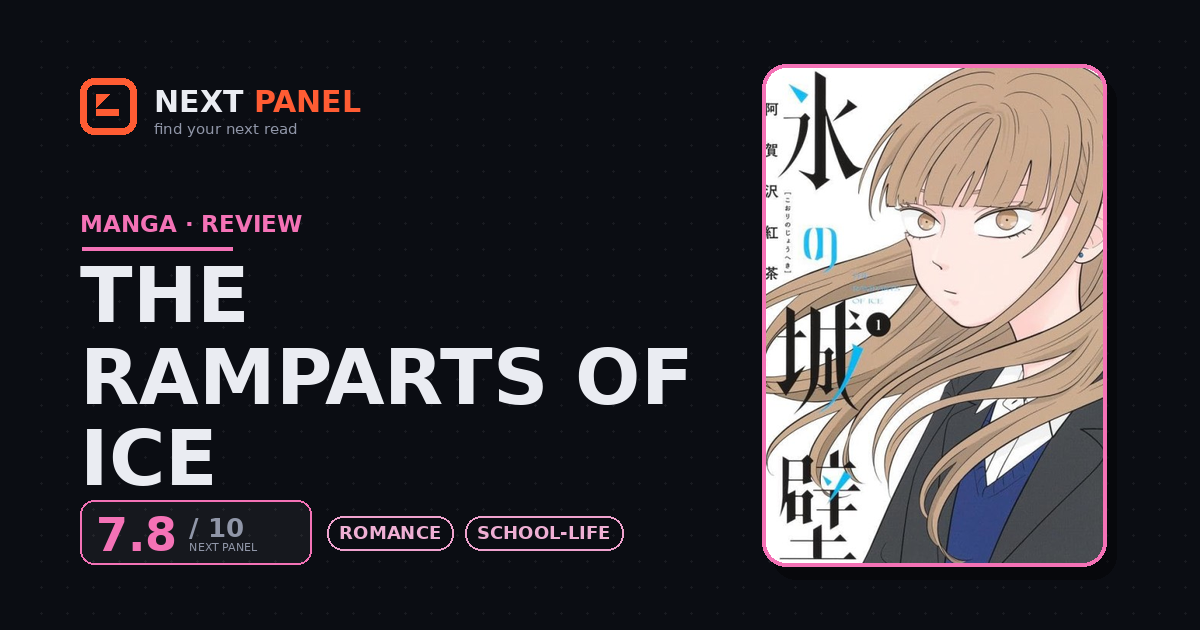
Full-color art and a genuinely thoughtful cast make this one worth the patience it asks for, even when the pacing drags.
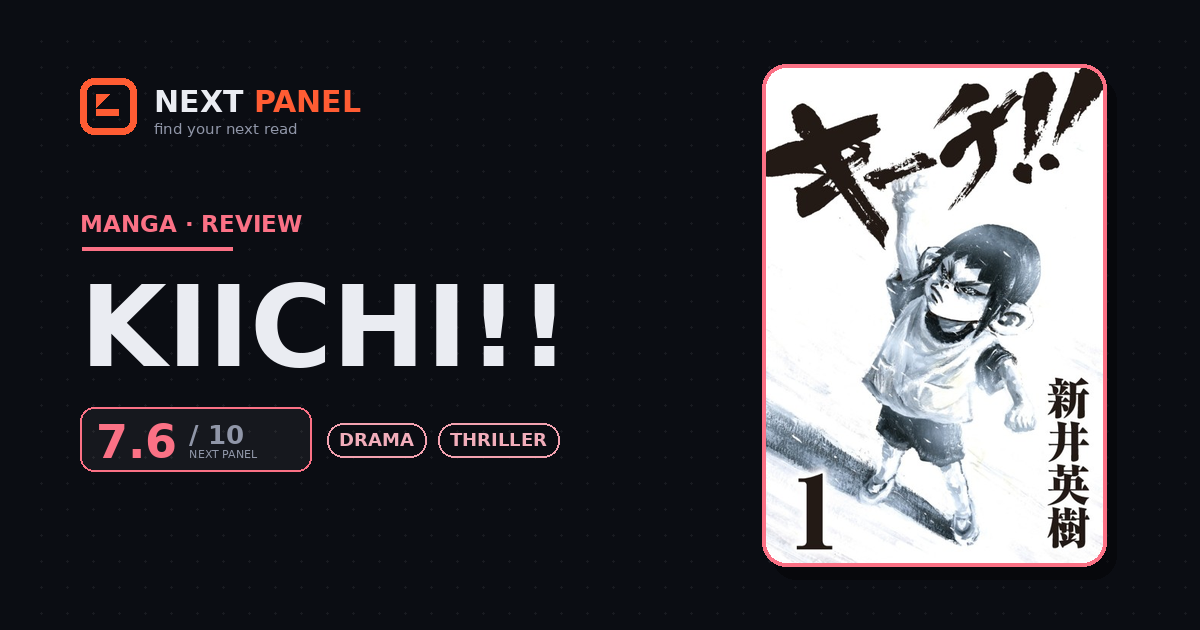
Grim, angry, and deeply humane -- this is Hideki Arai using a child's worst possible years to ask what people owe each other.
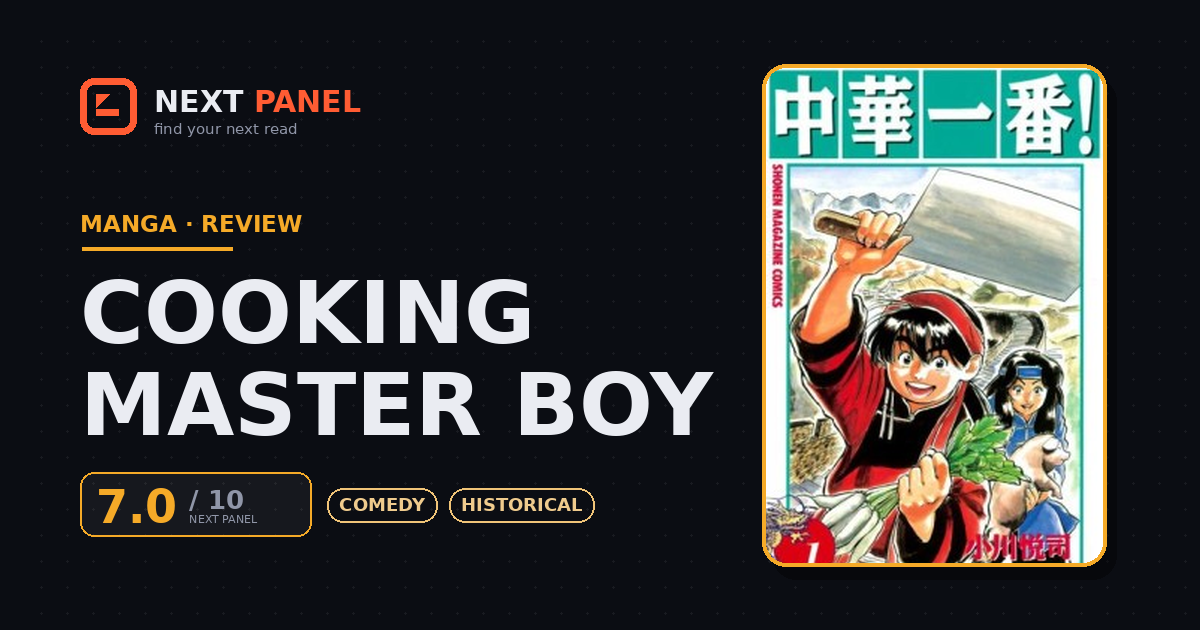
Short, sharp, and a little corny -- a fast, old-school cooking-duel manga that wraps up in well under a year's worth of chapters.