Is Deadman Wonderland Worth Reading? Review & Where to Read
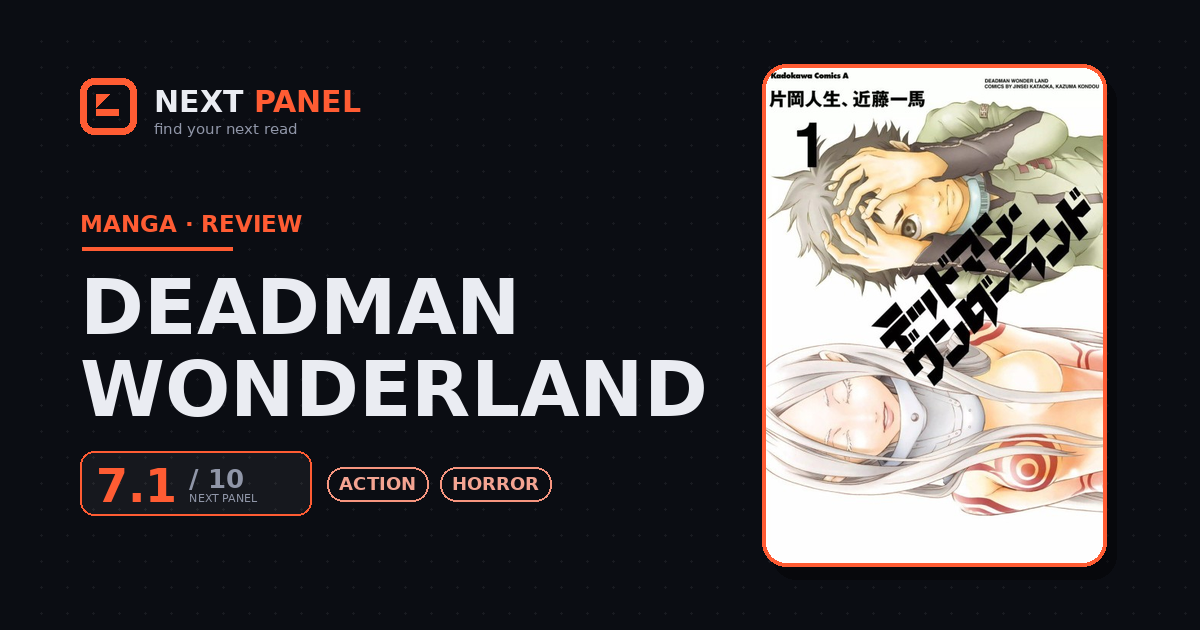
Watching people fight to the death for a paying audience shouldn't feel like real social commentary, but Deadman Wonderland mostly earns that weight even as its plot logic frays late.
Spoiler-light · Honestly rated
Every review labels its spoiler level, separates art from writing, and ends with an official way to read.
We use the whole 1–10 scale and judge each title against the best version of what it is trying to be — a comedy on how funny it is, a thriller on its tension — not against some other genre. As a rough guide: 9+ is all-time great, 8 excellent, 7 a solid recommendation with caveats, 5–6 mixed or average. A 7 is a genuine yes, not a knock. The “Community score” in each review is the crowd rating from AniList, MAL, and MangaUpdates, shown next to ours for comparison.

Turning a cook-off into a shonen duel shouldn't work as well as it does, and the sheer inventiveness of the dishes carries this well past its most divisive stylistic tic.

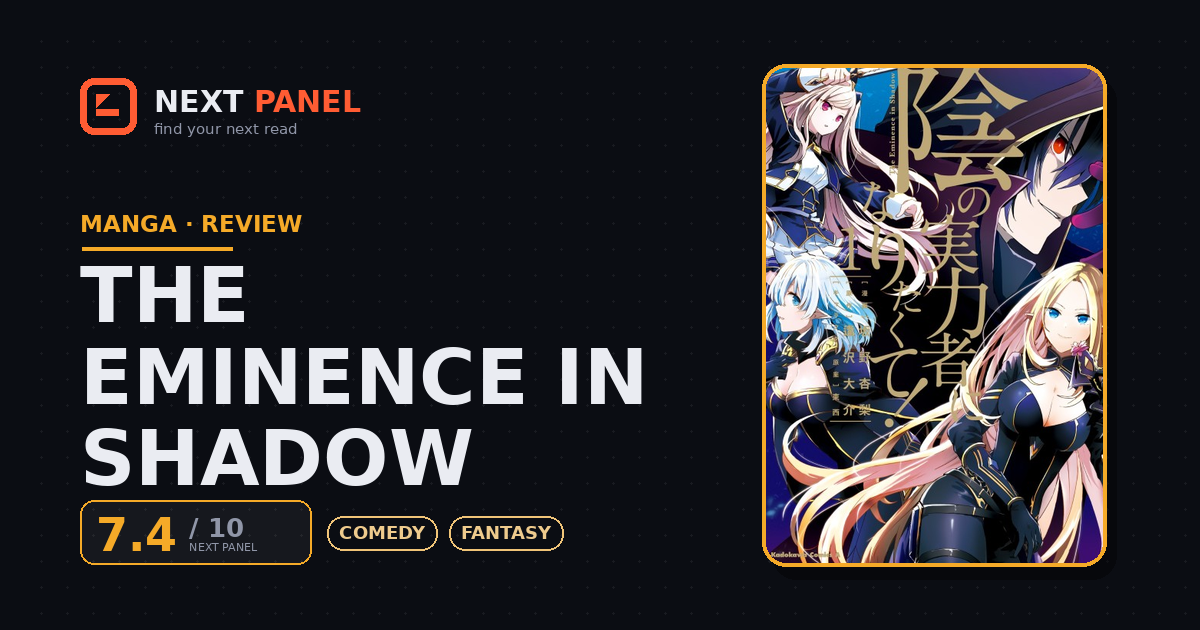
Cid's delusions of being a mysterious shadow mastermind keep accidentally coming true, and that gap between his self-image and the real stakes around him is a genuinely durable joke.

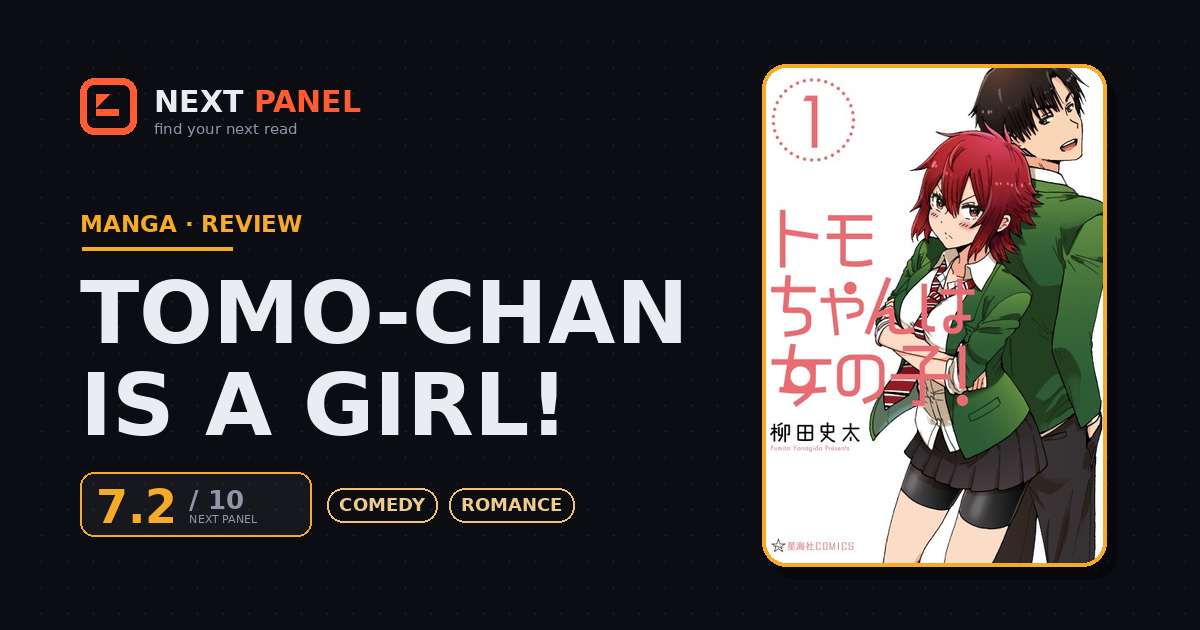
One joke carries this whole manga — Jun genuinely cannot see Tomo as a girl — and it's a credit to the comedic timing that it stays funny as long as it does.

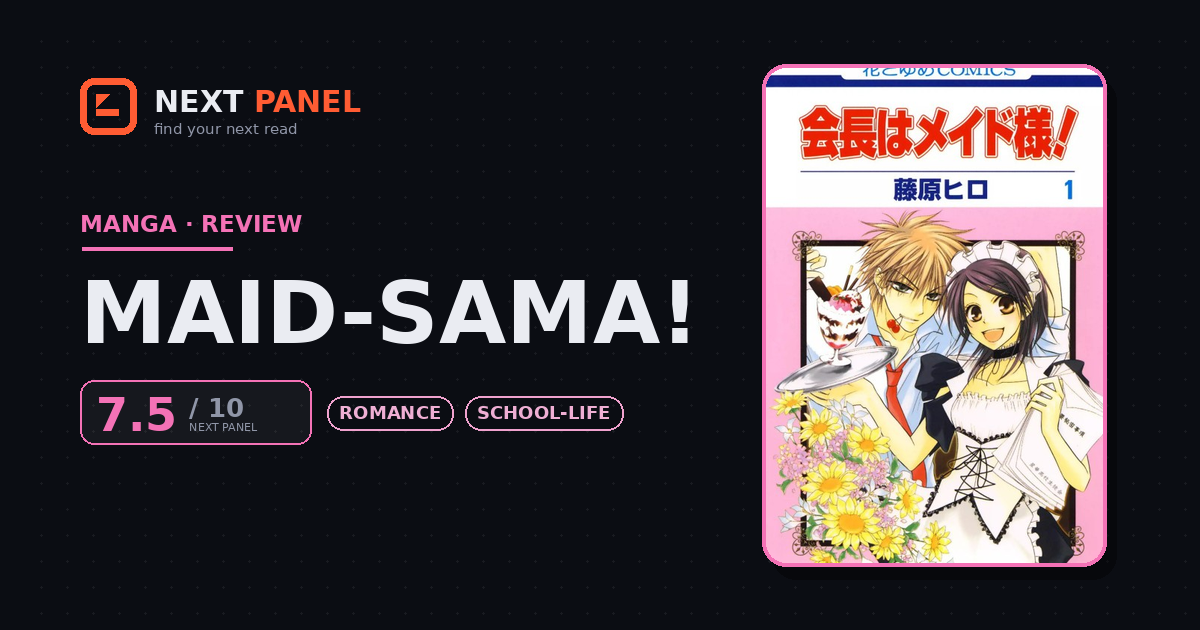
Misaki Ayuzawa is a better reason to read this than Usui is — a rare shoujo lead whose toughness comes from real stakes instead of just being a personality trait.

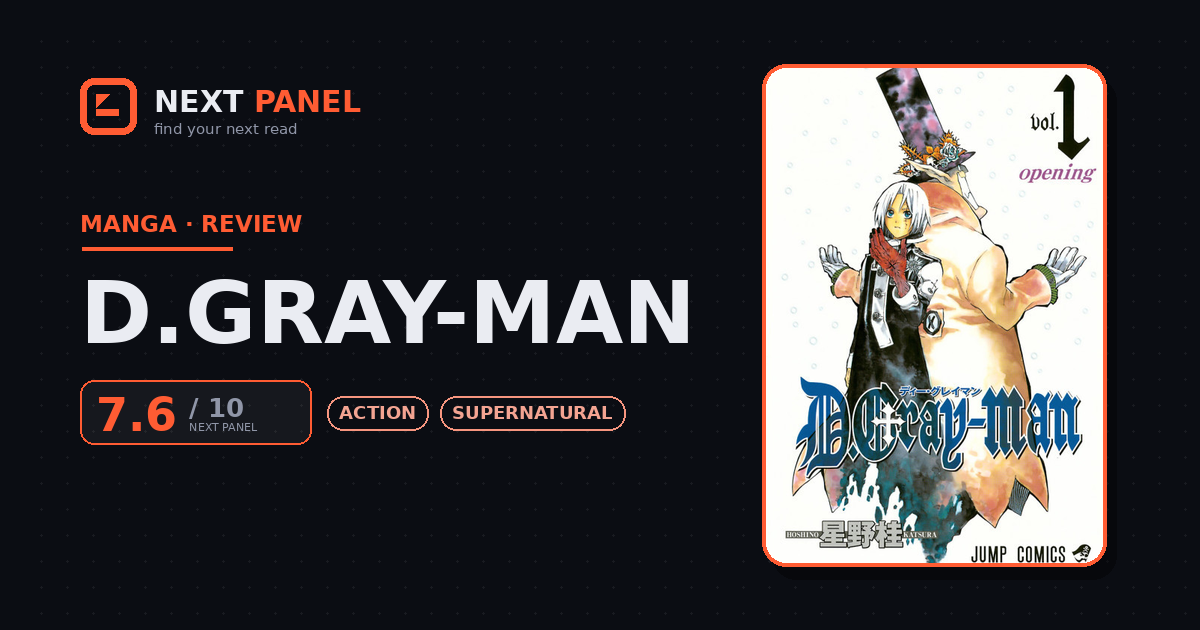
The gothic art and the grief-driven demon concept are as good as shonen horror-fantasy gets, but this is a series you commit to knowing full well it might vanish for a year or two mid-arc.

Few shonen series make the jump from breezy dungeon-crawl to genuine political epic this convincingly, even if the tonal shift catches some readers off guard.

The 'strongest villain yet' formula wears thin by the fourth or fifth time, but the Fairy Tail guild itself is such a well-built found family that the series stays worth showing up for anyway.

Watching one person tell a joke shouldn't be this tense, but Akane-banashi makes a centuries-old storytelling art feel like a real competition worth caring about.

You will not understand what's happening for long stretches, and that's the point — few manga make an endless, hostile structure feel this genuinely vast.

Buddha punching a Norse god isn't a premise you get tired of quickly, and when a matchup clicks — which is often — this is some of the most purely fun spectacle fighting being published right now.